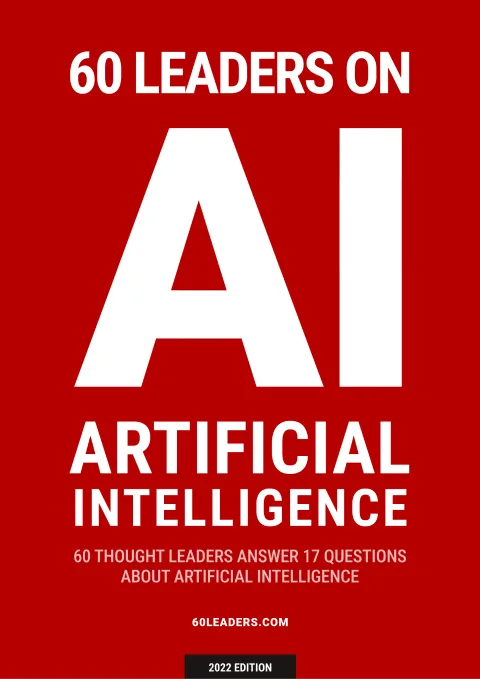
60 Leaders on Artificial Intelligence (2022 Edition)
Sixty leaders across AI research, engineering, ethics and policy answer 17 essential questions on AI. The free eBook produced and edited by George Krasadakis.
Download the PDF
Agentic AI, AI-powered organisations and what AI changes for the people who innovate.
For the guides, start with the agentic enterprise blueprint, what agentic innovation is or the Chief AI Officer vs CINO guide.
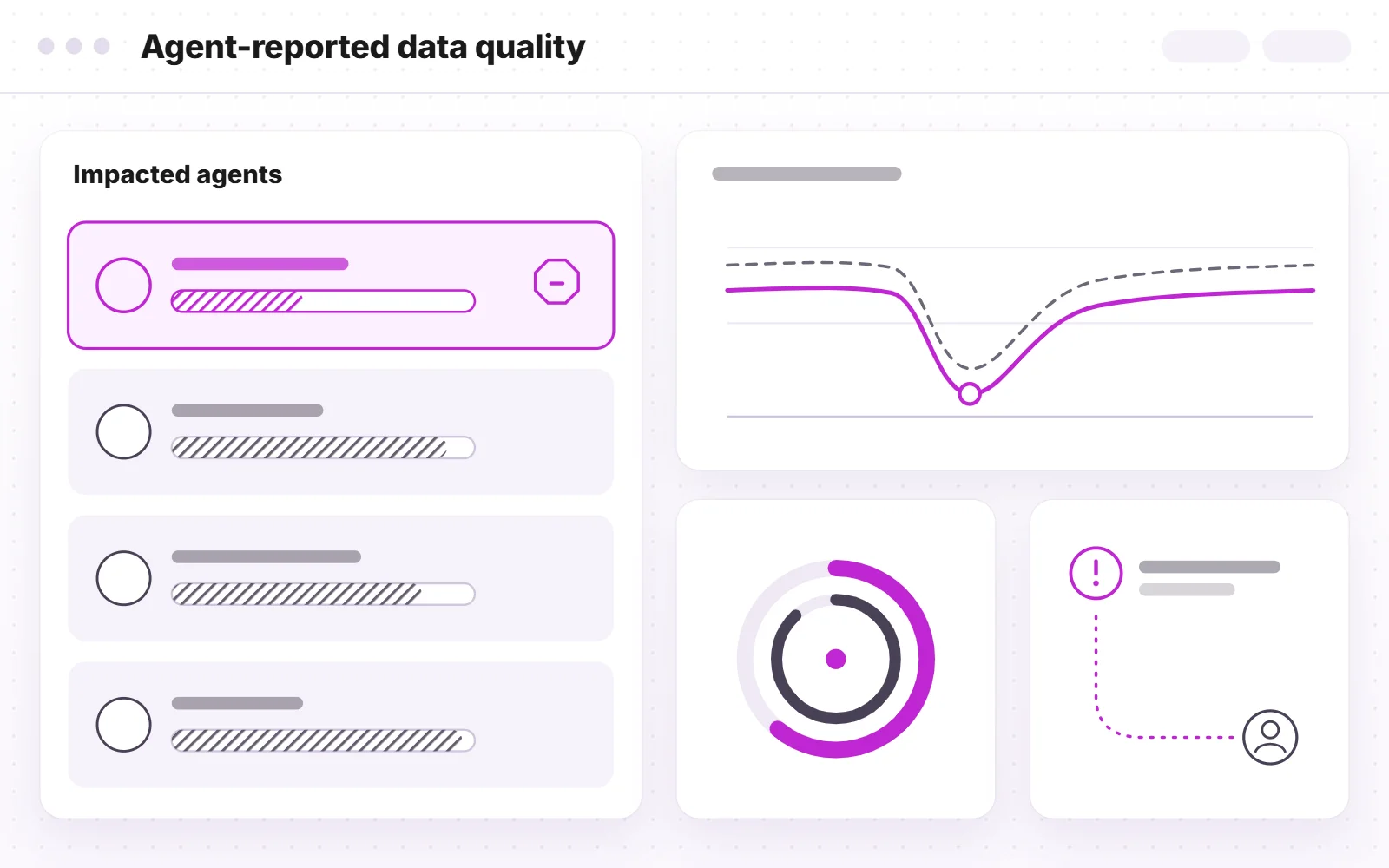
Poor data quality has always been the single point of failure of data-intensive projects. AI agents widen that risk beyond the project and beyond the company: agents read data, documents, web results and the outputs of other agents, many of them owned by someone else, and act on them. Keeping your own data clean is no longer enough. You need a system that spots, reports and responds to poor data, wherever it comes from, and watches what your agents consume and produce.

AI changes what "being an innovator" means, not only how fast innovation events run. When AI generates ideas in seconds and builds prototypes in minutes, the satisfaction of creative problem-solving is replaced by the general skill of directing an AI agent. This article examines the shift from ideation to synthesis, the cultural risks most companies are ignoring, and why the human-in-the-loop principle is a design requirement, not only a safeguard.
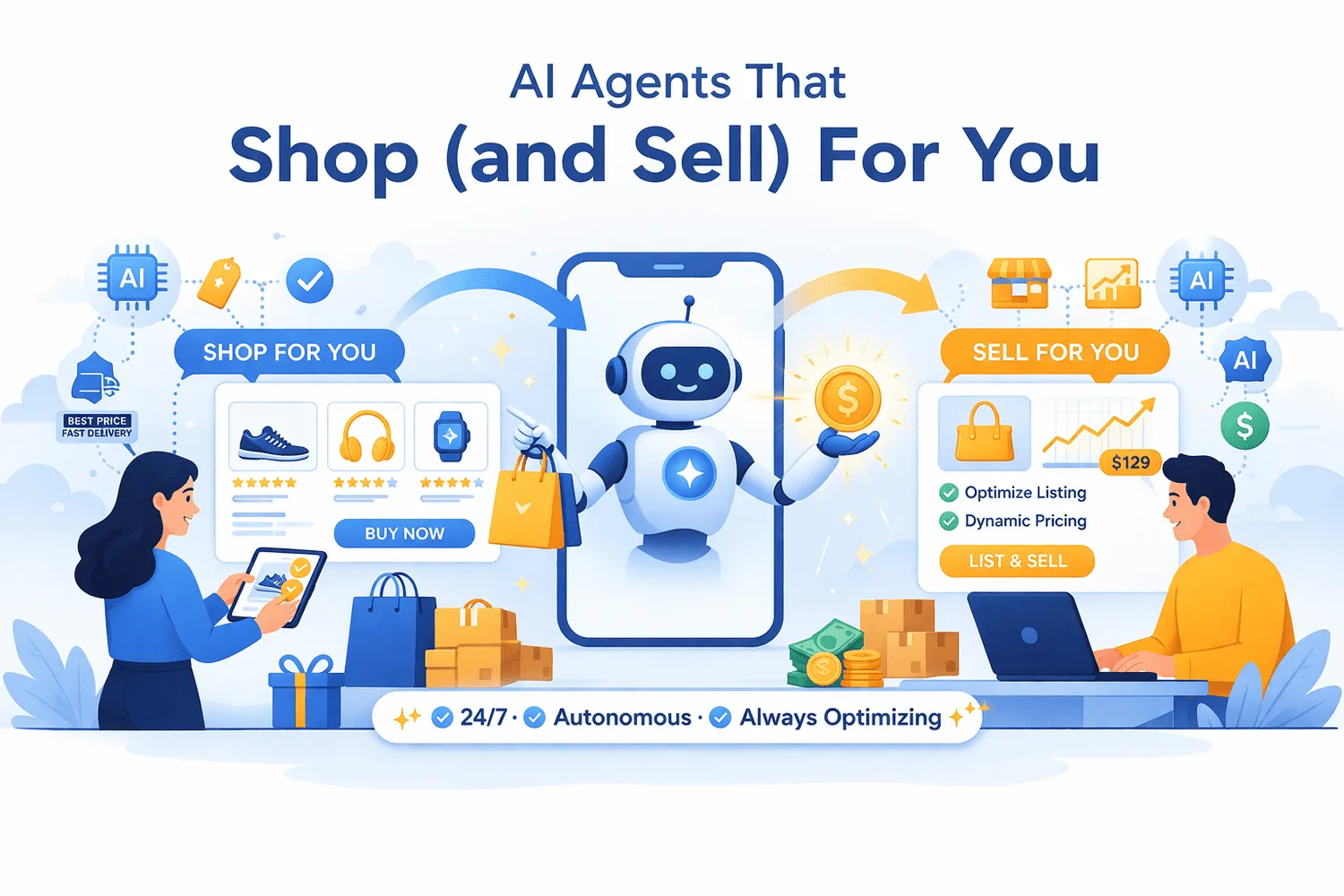
In 2016, a US patent application described AI agents that buy and sell on behalf of humans. Since then, 56 later filings from Visa, Capital One, Walmart, and IBM have cited it, and the major tech companies are now building what it described. This article explains how agentic commerce works, who's building it, and where the opportunity lies.

Artificial Intelligence is probably one of the most popular and hyped technology terms of our time. But, beyond the media hype, there is a real revolution happening.

Transforming into a data-driven, AI-first organization, will always be an ongoing journey since it is part of the overall Digital Transformation Initiative which calls for continuous improvement and adaptation.

Modern retailers need a near-real-time view of the entire retail business – demand, supply chain, distribution, customer interaction, market dynamics, and emerging trends. They need a holistic view that supports better, faster decision-making and a more effective impact measurement framework. AI can make a huge difference in this direction.
Artificial Intelligence is one of the most popular technology terms of our time and, very frequently, overused or even misused. The media loves both the success stories and ‘dystopias’ driven by Artificial Intelligence. Machines replacing human workers, AI exceeding human intelligence, robots taking control, and so on.

The term ‘Data-driven’ implies much more than just technology and data: it means a special mindset and leadership attitude that makes it possible for a company to make informed decisions by systematically using data to improve business performance.

Artificial Intelligence brings impressive applications, with remarkable benefits for all of us; but there are notable unanswered questions with social, political, or ethical facets. The main concerns focus on technological unemployment, while equally important issues arise regarding potential applications of AI, the access to data, and the outputs of AI models.
Business Intelligence systems of the future will provide answers, not just data. The complexity of analyzing data will be hidden under next-generation NUI experiences. Insights and data stories will be incorporated in the right format, for the specific user and timing.

Technology is moving at an incredible pace. We live in the fascinating era of autonomous cars, computer vision, personalized medicine, and quantum computing. Artificial Intelligence, crypto-currencies, advanced automation, deep learning and concepts like Universal Basic Income are about to reshape our world.

Although Artificial Intelligence dramatically improves our world in many ways, there are notable concerns regarding the forthcoming impact of AI on employment and the workforce. There are predictions talking about millions of unemployed people in the next decades, primarily due to the impact of Intelligent Automation and AI systems.
Seven modules over eight weeks, from readiness to a 12 to 24 month roadmap ready for board approval. Start with the three-week AI Readiness Assessment, or go straight to the programme.
Sixty leaders across AI research, engineering, ethics and policy answer 17 essential questions on AI. The free eBook produced and edited by George Krasadakis.
Download the PDFGuides, templates and programmes on AI strategy.
The Innovation Mode Newsletter every week, our members' library of frameworks and templates, and new thinking before it goes public. 10,000+ innovation leaders are already in.