Why does innovation fail inside big companies?
Six deficits: capabilities, real-world connection, venture building, organisational design, talent and culture, and the one behind them all, leadership.
How agentic AI is changing corporate innovation: AI strategy, hackathons, the Chief Innovation Officer role, and what actually ships. By George Krasadakis, with select guest authors.

AI drafts the requirements, builds the prototypes, summarises the feedback, and ships working software from a product brief, in days. So what is left for product managers? A sharper job: faster experiments, data-driven decisions, and reaching the market sooner to test, refine and establish the product there.

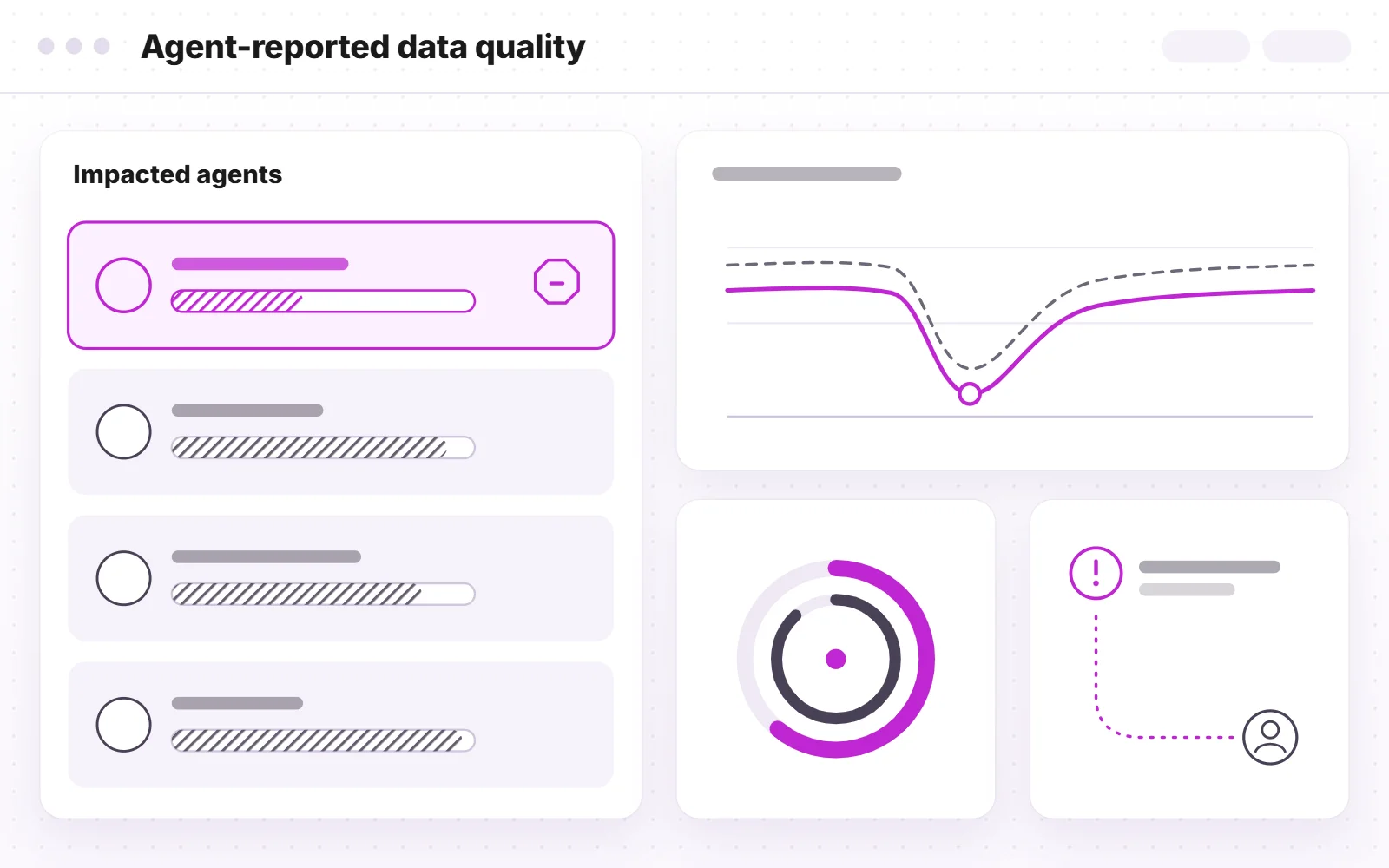
Poor data quality has always been the single point of failure of data-intensive projects. AI agents widen that risk beyond the project and beyond the company: agents read data, documents, web results and the outputs of other agents, many of them owned by someone else, and act on them. Keeping your own data clean is no longer enough. You need a system that spots, reports and responds to poor data, wherever it comes from, and watches what your agents consume and produce.

AI changes what "being an innovator" means, not only how fast innovation events run. When AI generates ideas in seconds and builds prototypes in minutes, the satisfaction of creative problem-solving is replaced by the general skill of directing an AI agent. This article examines the shift from ideation to synthesis, the cultural risks most companies are ignoring, and why the human-in-the-loop principle is a design requirement, not only a safeguard.


Most startup post-mortems blame money, timing, or competition. But the real killer is building something nobody wants - and most of it is preventable. This article introduces the three types of unknowns every startup idea carries (risks, uncertainties, and silent assumptions), explains why most validation methods fail, and describes the Innovation Mode approach to systematic idea validation - from the IM-9 Idea Assessment Model to the discipline of knowing when to stop validating and start building.

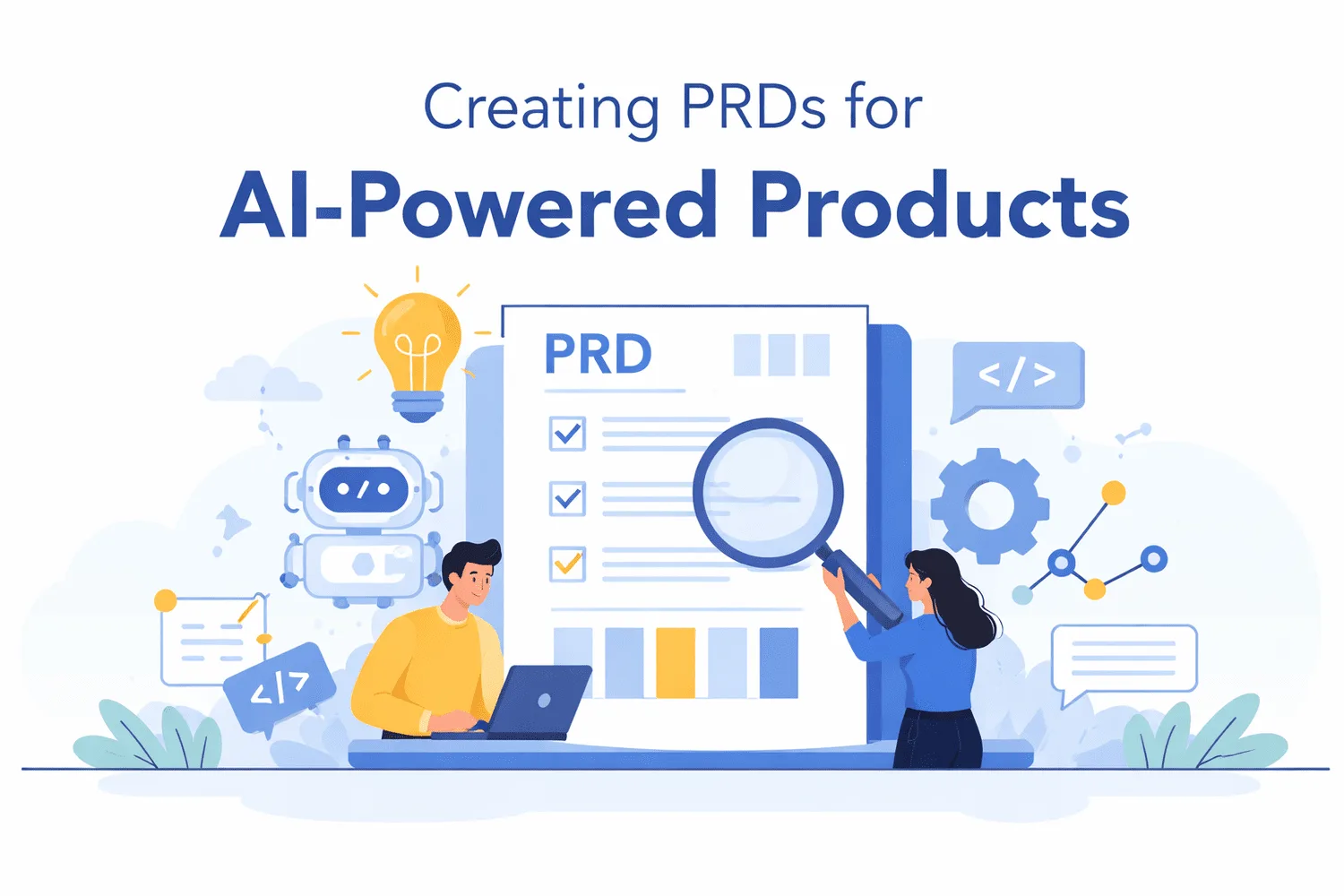
AI products break every assumption traditional PRDs are built on. From probabilistic outputs to autonomous agents, here's why your product specification needs surgery - and what more than 25 years of building data and AI systems taught me about fixing it.

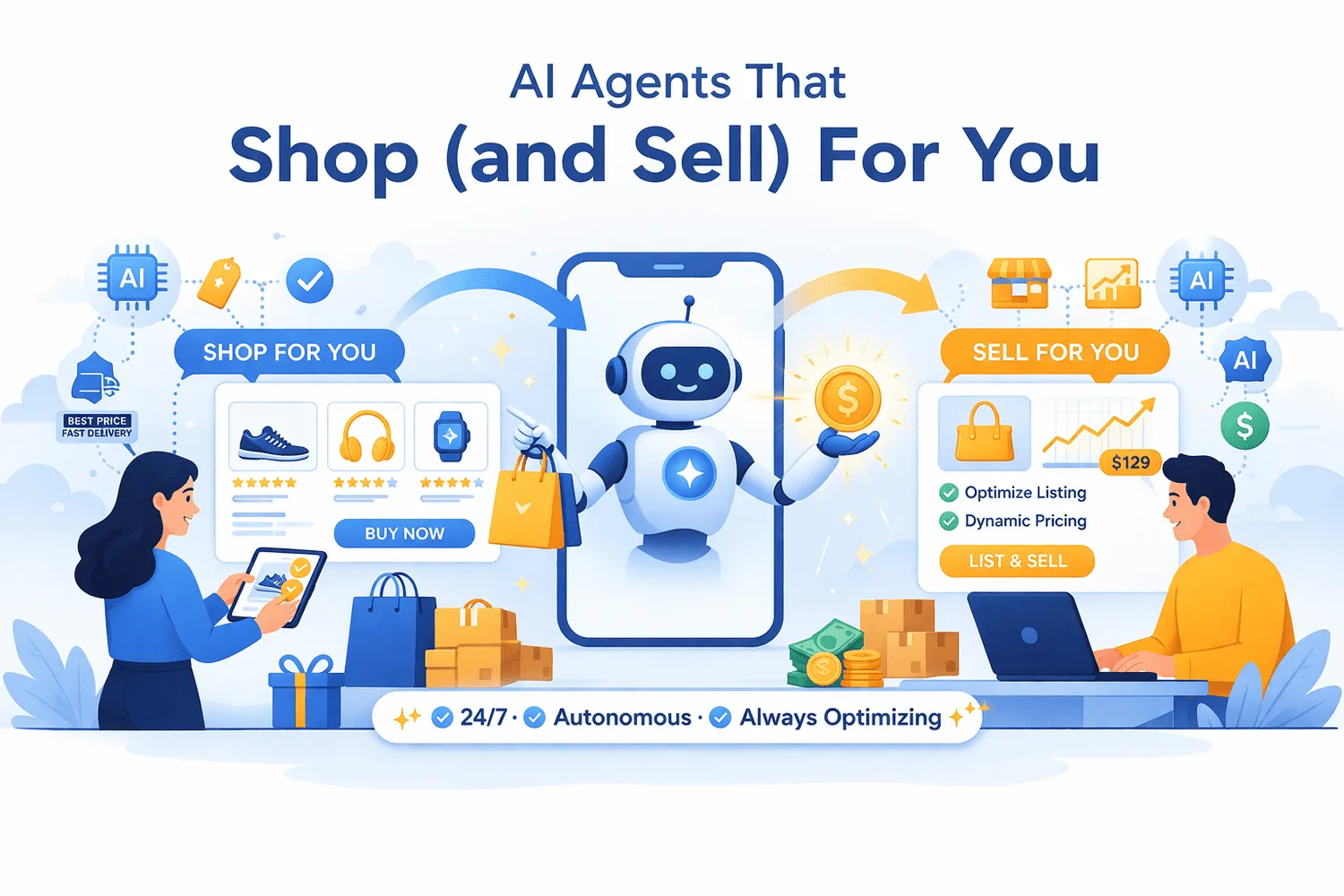
In 2016, a US patent application described AI agents that buy and sell on behalf of humans. Since then, 56 later filings from Visa, Capital One, Walmart, and IBM have cited it, and the major tech companies are now building what it described. This article explains how agentic commerce works, who's building it, and where the opportunity lies.

In March 2016, while I was at Microsoft, I was the named inventor on a patent application for AI agents that negotiate purchases on behalf of people, a year before the transformer paper. The technology to build it did not exist yet. Here is what the filing described, why it had to wait, and what it taught me about timing.

A corporate hackathon is a serious investment, and its theme decides what it returns. These 30 themes frame strategic problems in every corporate function, from HR and finance to sales and operations, each written as a brief ready for your teams. Now that AI lets anyone build a working prototype, they are designed to bring in the people closest to each problem, not just developers.

AI can generate ideas in seconds - so are corporate hackathons still relevant? More than ever. But the old annual model is broken. Here's why innovation leaders should run hackathons more frequently, how AI tools make them more inclusive, and what it takes to turn hackathon concepts into real products.

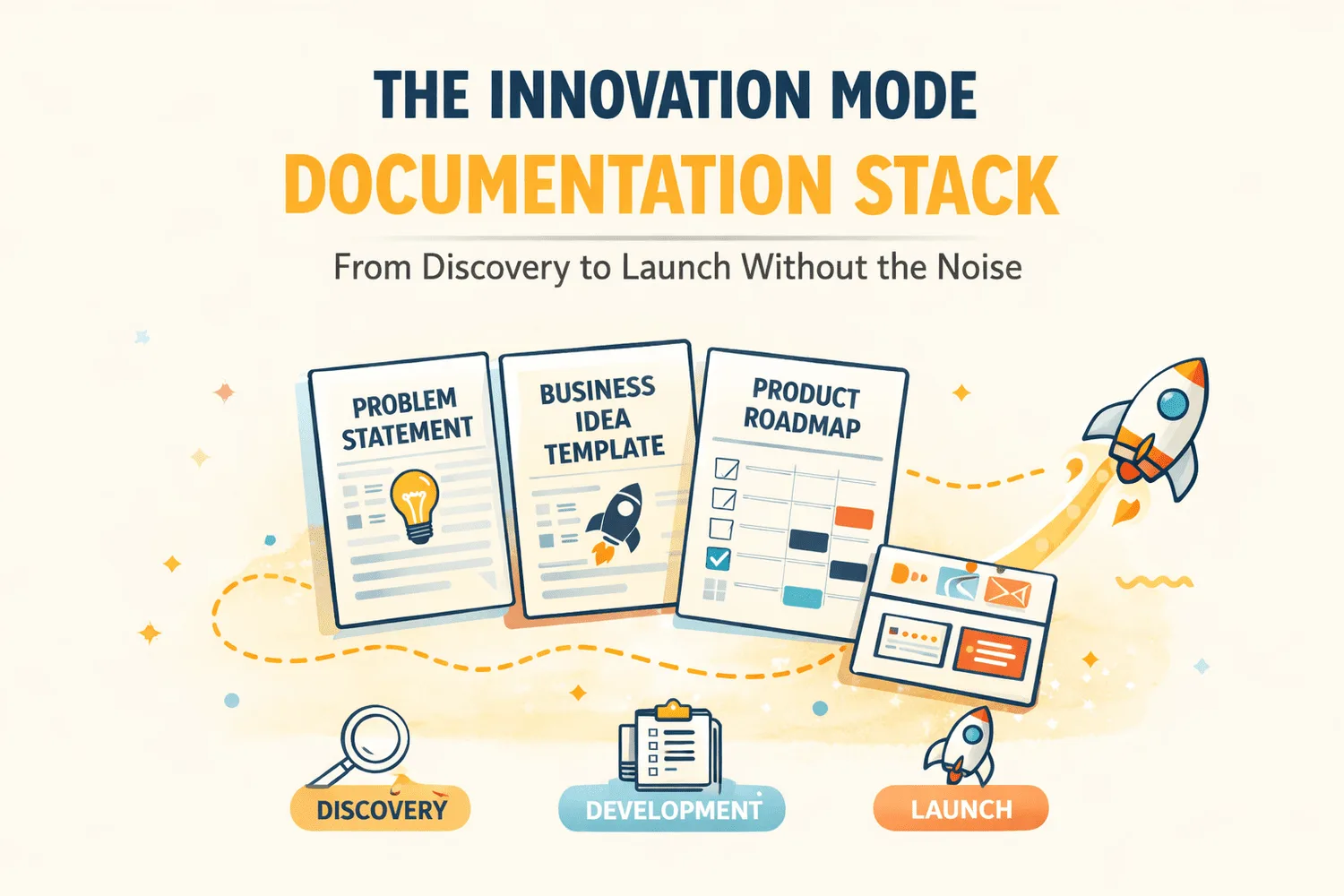
Most ideas from a brainstorm die because nobody wrote down what they were. Here is lean, just-enough documentation for Chief Innovation Officers and innovation teams that captures what matters (one-page problem statements, business idea templates, and structured assessments) without bureaucratic overhead: the Innovation Mode documentation stack, from discovery (problem framing, idea validation) through development (PRDs, pitch decks), ensuring your best product innovation ideas survive the journey from concept to launch.

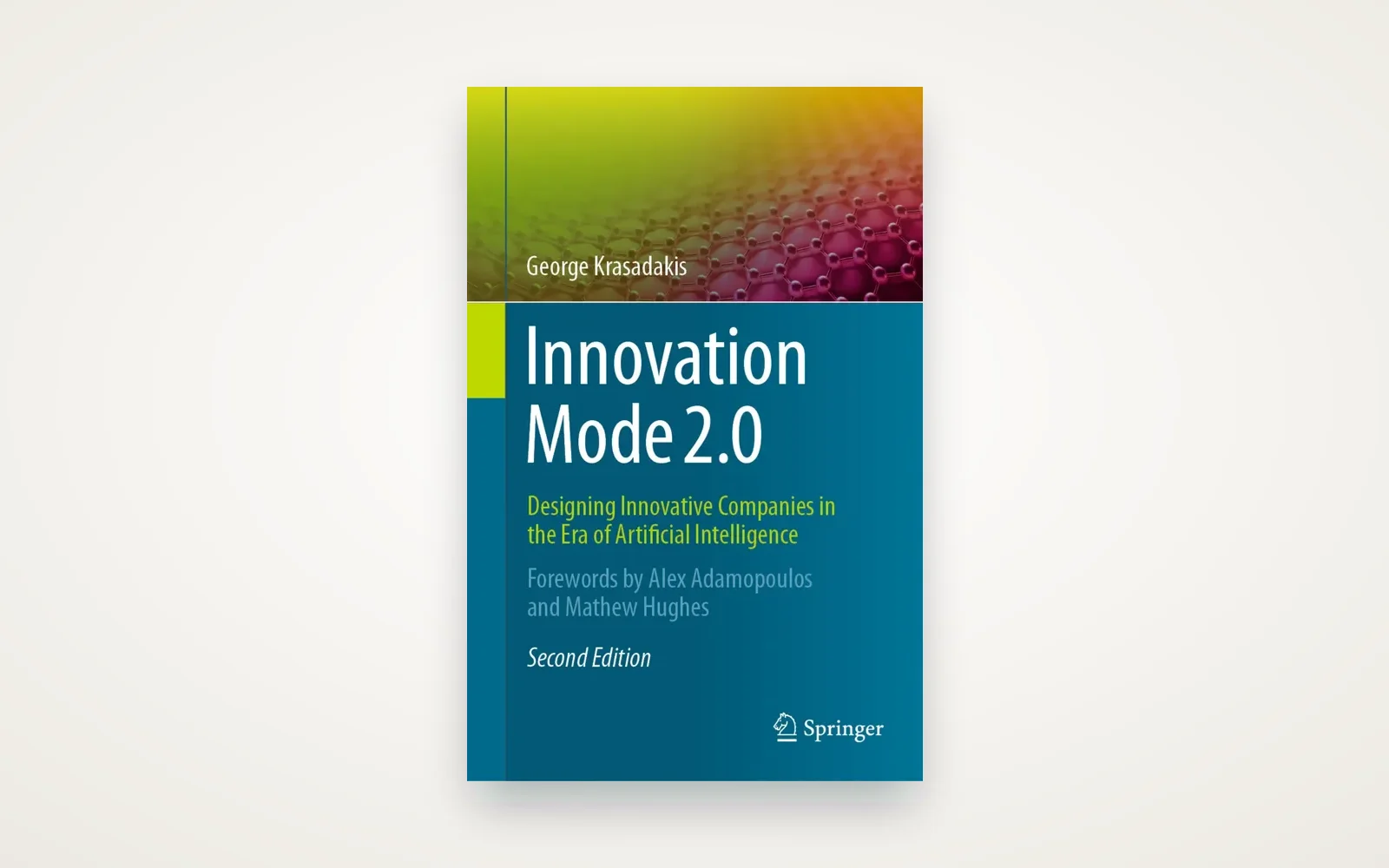
Book launch announcement: Innovation Mode 2.0 by George Krasadakis (Springer, January 2026) sets out the first published architecture for agentic innovation, for an era in which AI can generate ideas, build prototypes, and shape strategies in minutes. The book introduces a diagnostic framework of six innovation deficits, a seven-level Innovation Maturity Index, and 70+ interventions for building AI-powered innovation engines. It draws on senior roles at Microsoft, Accenture, GSK and ResMed, 18 patent families, most in AI, and Ainna, the agentic innovation platform.

The technologies shaping 2026 (agentic AI, humanoid robots, quantum computing, brain-computer interfaces, AI for science, and climate tech) are no longer emerging; they're converging. For innovation leaders, this demands a fundamental shift: when AI commoditizes ideation, the scarce capabilities become opportunity discovery, rapid validation, and execution speed. Innovation is no longer a competitive advantage; it's a survival trait.

The role of the Chief Innovation Officer (CINO) is gaining importance as businesses strive to stay competitive in a fast-changing world. But how do you become a CINO? Whether you're a student, a young professional, or an experienced manager looking to pivot, this guide provides insights into the career paths, skills, and experiences needed to achieve this role. From early education and entry-level innovation jobs to leadership skills and technical expertise, learn how to carve a path toward becoming a successful CINO and lead the future of corporate innovation.

This article presents a proposal for an online platform that will facilitate connections among unemployed individuals, enabling them to exchange skills and services, form collaborative teams, and develop startup ventures. Shaped in collaboration with Ainna, the agentic innovation platform.

Imagine a platform where unemployed people can safely collaborate and experiment with concepts and ideas: ‘virtual startups’ powered by the workforce of unemployed people.

In a world of Artificial Intelligence, the role of Chief Innovation Officer is becoming even more important. This link (between Artificial Intelligence and the importance of the CINO role) may not be that obvious - this article explains the thinking.

Leading Innovation – the essential digital tools to empower your innovators and boost innovation performance

MVPs and Startups - Why should a startup follow the MVP approach? How do you prioritize features? Answering these and other frequent questions people ask me about Minimum Viable Products - MVPs

An excerpt from an interview with Jesse Nieminen from Viima – discussing innovation culture, blockers, the Innovation Mode and more.

Why is it tough to develop a culture of innovation in a corporate environment? How shall we start? People ask me these and a lot more about the innovation culture. Read here some of my answers - What it means, why it is hard and how it can be fixed.

Artificial Intelligence is probably one of the most popular and hyped technology terms of our time. But, beyond the media hype, there is a real revolution happening.

Transforming into a data-driven, AI-first organization, will always be an ongoing journey since it is part of the overall Digital Transformation Initiative which calls for continuous improvement and adaptation.

A great culture of innovation can be thought of as a special, collective mindset that values and promotes curiosity (exploration of new ideas) and change (adoption of new ideas) as key success factors for the organization - holistically.

Being an innovative company is not about using the latest technology or cool project management techniques or even driving the design trends. It's not even about the ability to change quickly or bring new offerings to market quickly.

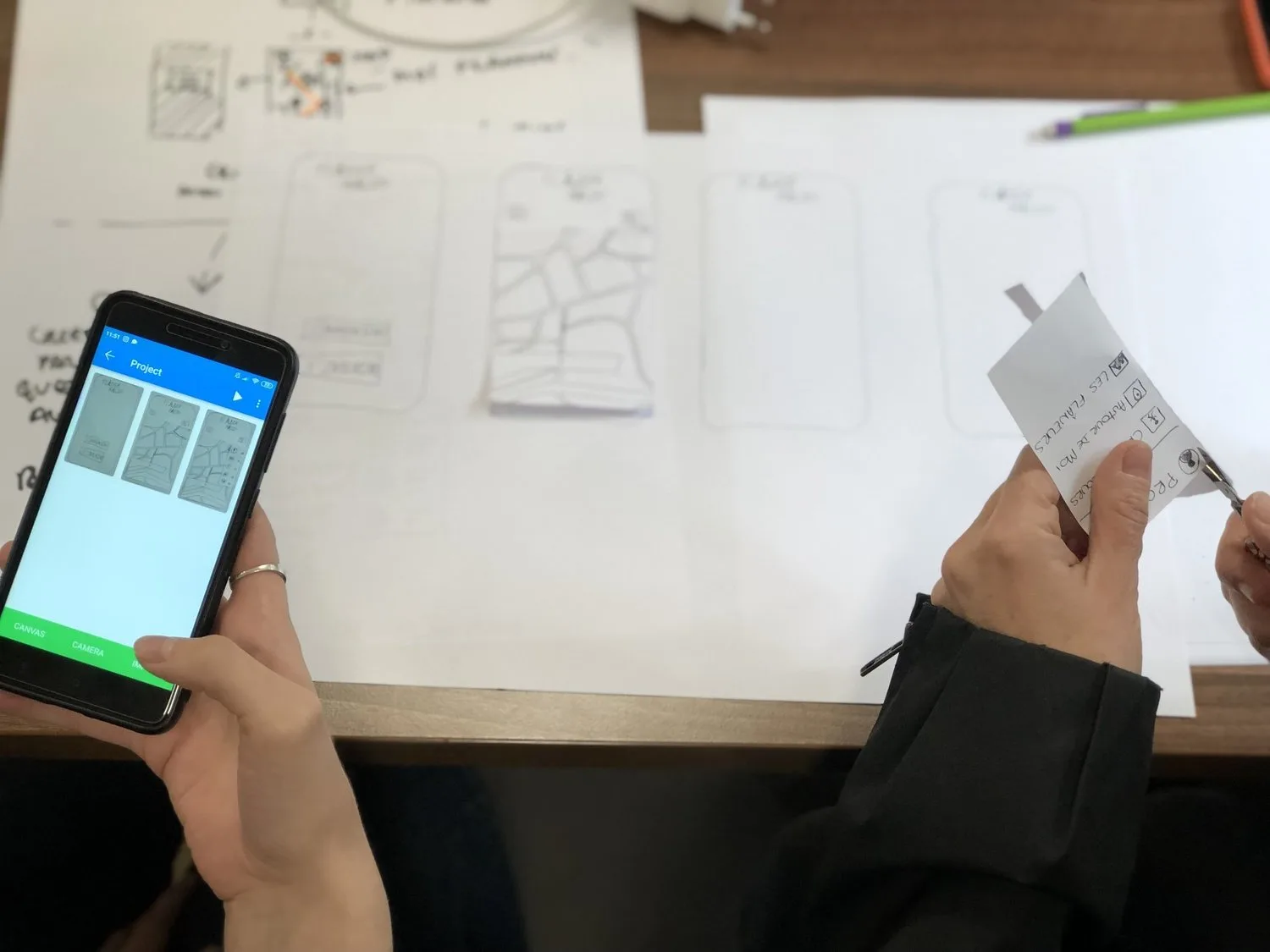
A software prototype is an intentionally incomplete instance of a product; it is an early approximation of a product concept or a feature. As such, although in some cases they may look realistic, prototypes come with limited functionality and plenty of shortcuts and conventions behind the scenes.

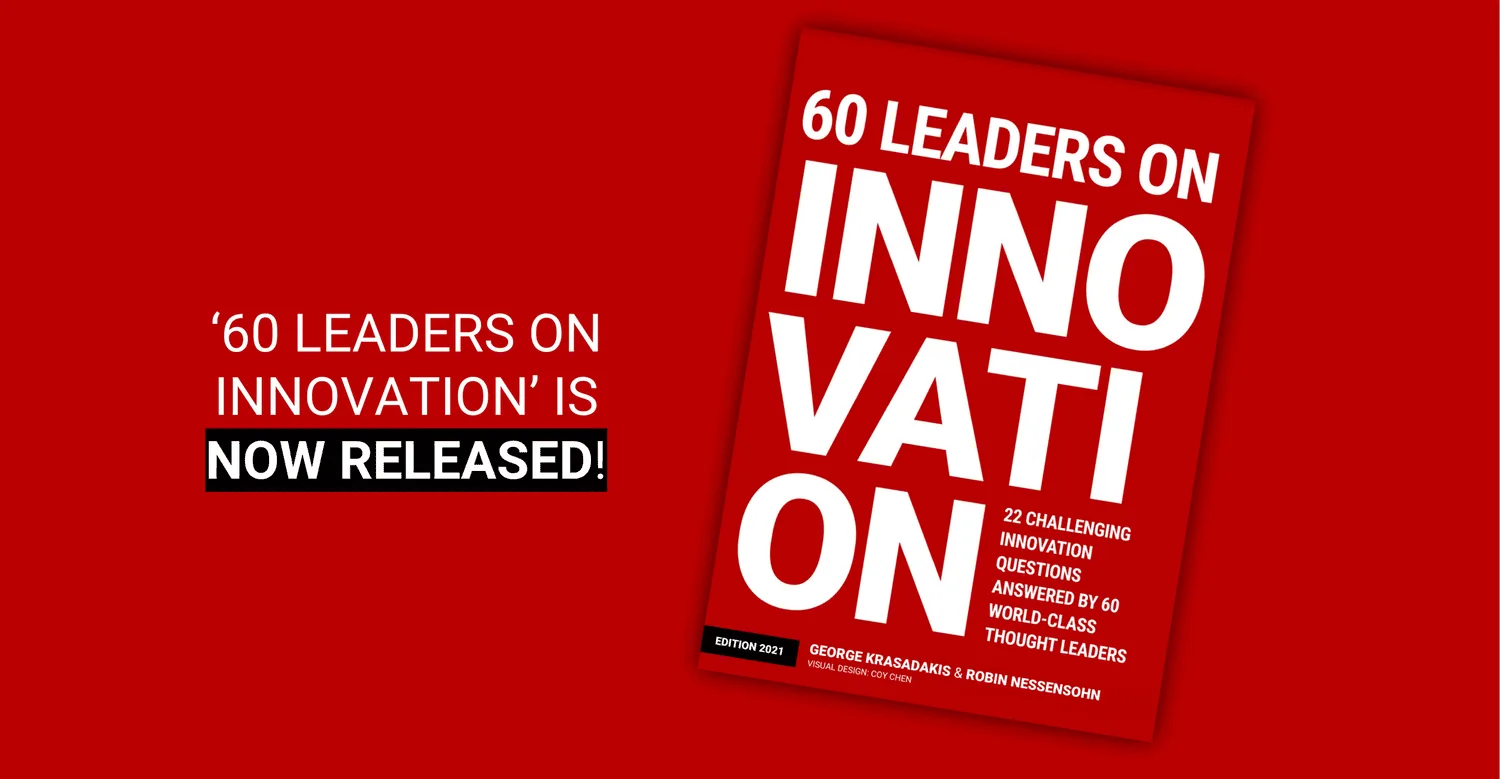
Producing the ‘60 Leaders on Innovation’ eBook was a great experience - an initiative that connected 60 leaders across the globe who exchanged their thought leadership on innovation. It also produced a very interesting list of books on innovation. Here is the list, in alphabetical order.

Modern retailers need a near-real-time view of the entire retail business – demand, supply chain, distribution, customer interaction, market dynamics, and emerging trends. They need a holistic view that supports better, faster decision-making and a more effective impact measurement framework. AI can make a huge difference in this direction.

Design Thinking is an incredibly powerful way to approach the design of just about anything that involves interaction with people. Its underlying philosophy of Human-Centered Design requires that we develop a comprehensive empathic understanding of the customer and their situation in a particular context. But... there are limitations. The limitations lie not so much in Design Thinking itself, but rather in how Design Thinking is typically used.

Artificial Intelligence is one of the most popular technology terms of our time and, very frequently, overused or even misused. The media loves both the success stories and ‘dystopias’ driven by Artificial Intelligence. Machines replacing human workers, AI exceeding human intelligence, robots taking control, and so on.

The term ‘Data-driven’ implies much more than just technology and data: it means a special mindset and leadership attitude that makes it possible for a company to make informed decisions by systematically using data to improve business performance.

Artificial Intelligence brings impressive applications, with remarkable benefits for all of us; but there are notable unanswered questions with social, political, or ethical facets. The main concerns focus on technological unemployment, while equally important issues arise regarding potential applications of AI, the access to data, and the outputs of AI models.

Business Intelligence systems of the future will provide answers, not just data. The complexity of analyzing data will be hidden under next-generation NUI experiences. Insights and data stories will be incorporated in the right format, for the specific user and timing.

As a product leader, you need an inspired, talented team, to believe in your product vision and work with passion towards the shared goal: a great product satisfying all the predefined success criteria, plus one more: to make the entire team proud of the outcome.

User stories provide a great way to quickly and accurately describe the functionality of a software product or system. They are also very effective in capturing the outputs of brainstorming sessions, design sprints, hackathons, and other innovation-led processes.

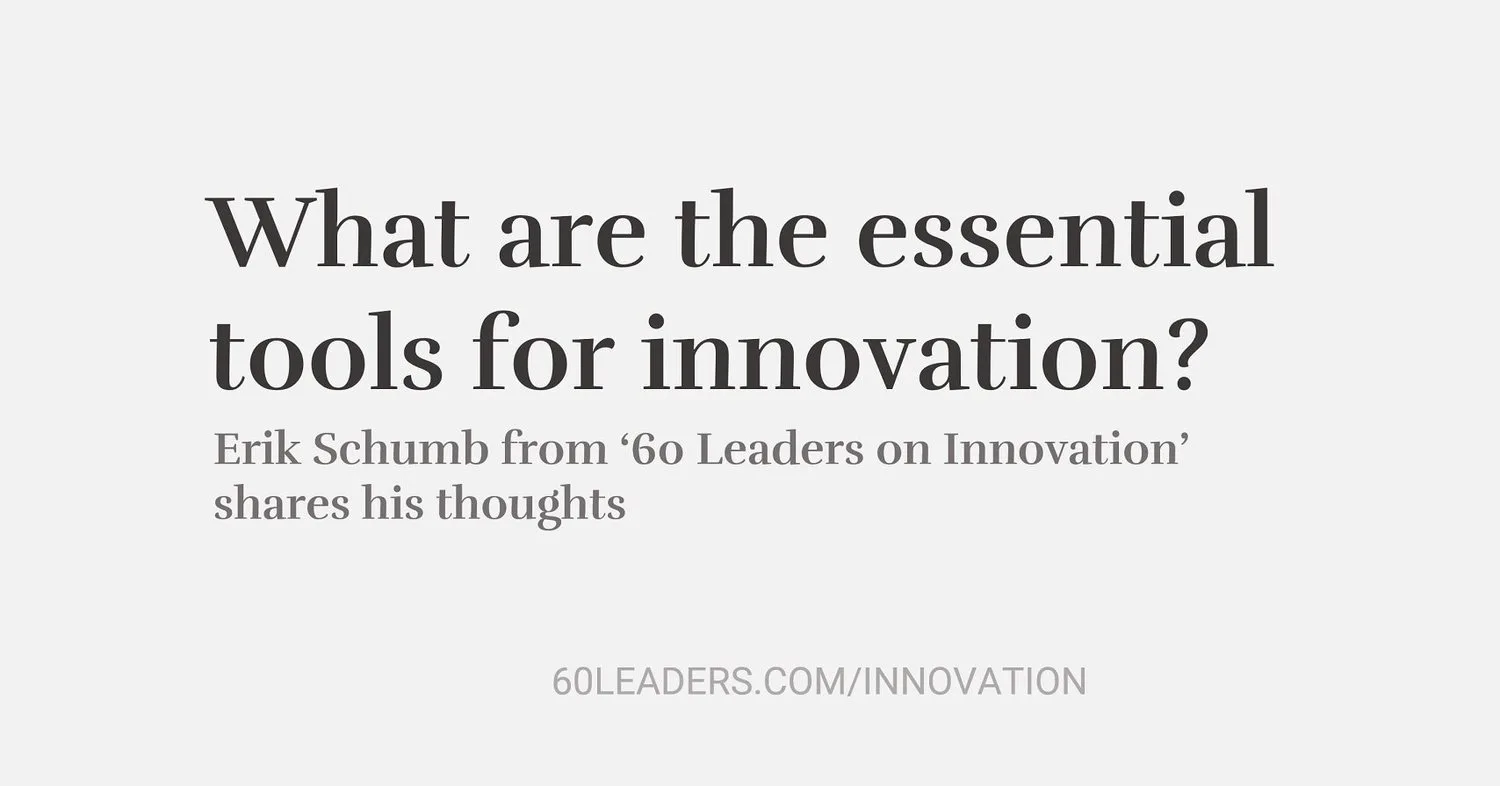
As part of the ‘60 Leaders on Innovation’ book, we asked several leaders to name the essential digital tools for innovation. Here is Erik Schumb’s response.

Digital Transformation – What is it all about? Erik Schumb, founder & CXO, Agile Sprints and one of the '60 Leaders on Innovation' shares his insights.

What are the ingredients of a successful innovation culture? How is it defined and what are the steps that an organization needs to take to ‘get there’ – to establish a good culture and trigger its organic growth?

Corporate innovation needs a strong supply of high-quality ideas that feed into a fast and effective ‘innovation opportunity discovery’ process. Establishing such an ideation channel is not easy: it requires processes that are simple, inclusive, flexible, and objective; it needs effective communication to inspire people but, at the same time, it must manage the risk of ‘internal disruption.’

Innovation requires a special culture, a shared mindset that encourages the exploration of new ways to improve business outcomes. But how could a company develop an ‘innovation culture’? Here is a ‘protocol’ that can boost the innovation spirit and accelerate the organic growth of your innovation community.

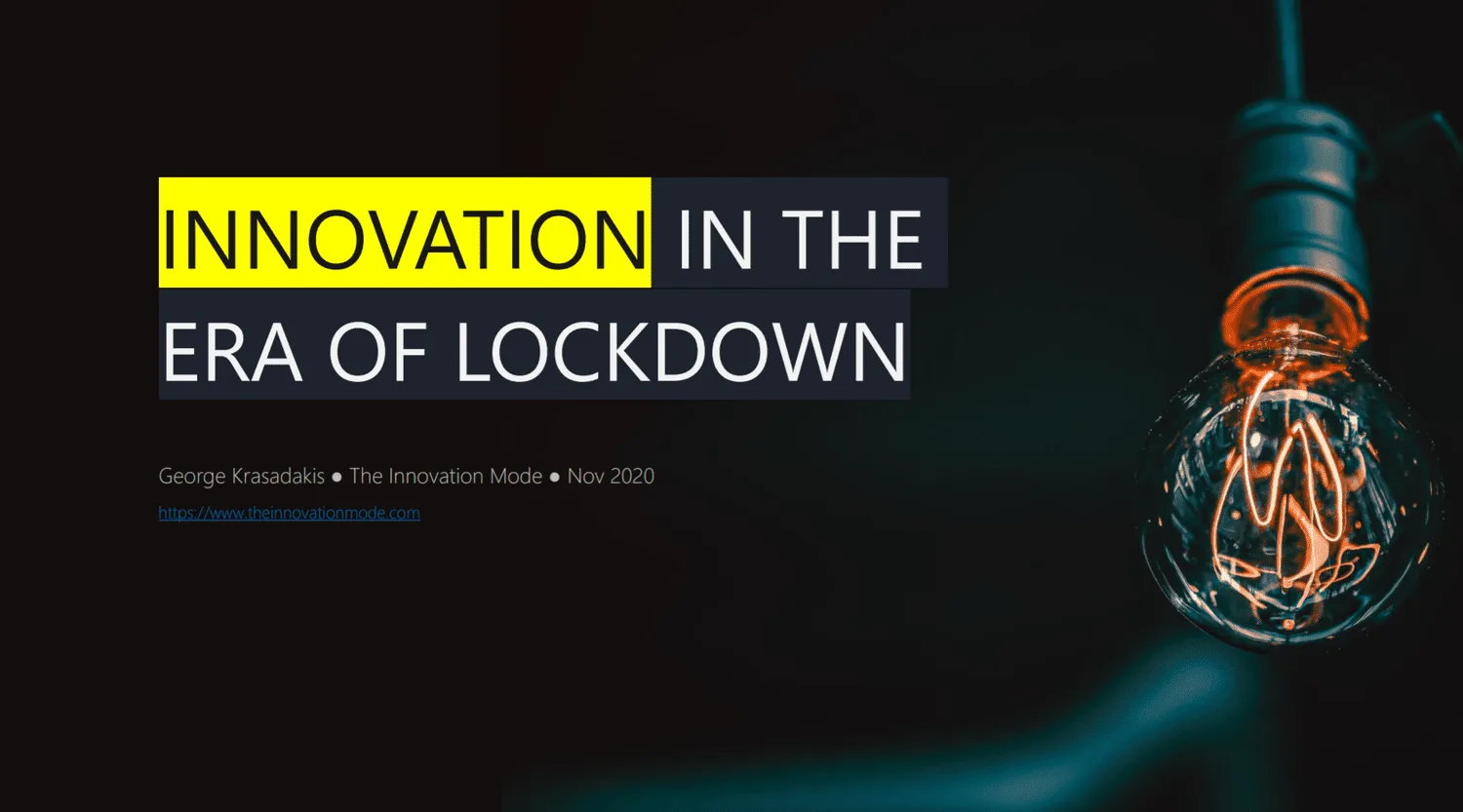
How and why to accelerate innovation in times of crisis: I recently had the pleasure to speak to Really Good Innovation in their first online innovation summit, where I shared my thoughts on ‘innovation in times of crisis’. In this blog post, I am presenting the summary points and the actual deck as presented in the Innovation Summit.

When building software products or solutions, it is of critical importance to define early enough the target output, in terms of both functionality and ‘production readiness’. This is a practical guide to help you define a ‘prototype’, versus a ‘proof of concept’ and a ‘minimum viable product’, and avoid costly misunderstandings.

A global, immutable registry of labeled ‘fake news’ as the basis of a universal solution to the problem, on top of news organizations, social media, and search engines. By utilizing technologies such as Blockchain, IPFS, NLP the platform empowers a global network of evaluators to continuously fact-check and label a representative random sample of the fresh global content we produce and share.

A good MVP starts from the complete product, not from the obvious first features. Here is how to define one, step by step, and the mistakes to avoid.

Can innovation be taught? Are academic programs on innovation connected to the real world? What is the dream job for an innovation graduate? Robin Nessensohn, a Master student in innovation and entrepreneur shares his thoughts.

Design Sprints can generate remarkable output for your company, such as a backlog of impactful ideas (also with IP opportunities), functional prototypes, learnings, and key insights from customers along with real business opportunities. At the same time, they can lead to significant cultural improvements towards the ‘innovation mode’. But …

A chain of ideas ‘written in stone’ on blockchain, in the context of Open Innovation. A global platform for publishing ideas, empowering collaboration, and contribution.

A popular definition for the MVP is this one “… the minimum viable product (MVP) is a product with just enough features to satisfy early customers, and to provide feedback for future development…”

Sticky notes are great to quickly capture ‘ideas’ - they also help the team look busy and super productive :) But, when it comes to an ideation channel, you need some serious technology to capture, process, and diffuse ideas within your corporation.

When ideating at scale, ideas need to come in a consistent form. This article presents the ‘idea model’ along with various examples of real ideas, explaining how to write effective executive summaries for your product or business concepts.

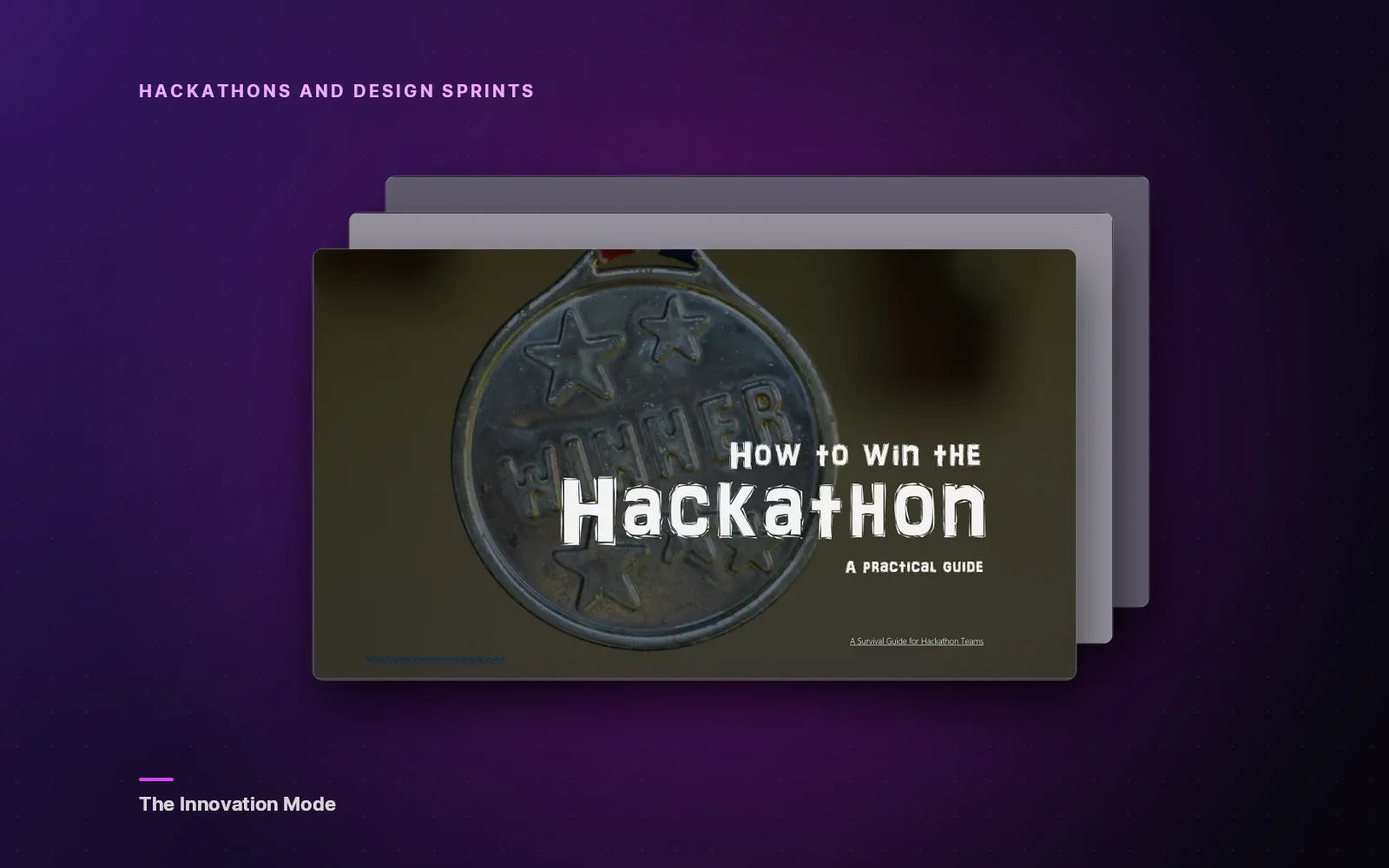
Winning a hackathon takes much more than a great idea. You also need the right team, working practices, mentality, and the right strategy. Consider the following practical hints to … hack the next hackathon!

#covid19 has been a trending hashtag on LinkedIn, over the past few weeks, reaching around 632k followers, and surpassing other trending hashtags, such as #digitaltransformation that has around half that number of followers …

Building great products is a difficult and complex job, but also fascinating. It requires a bold vision and, at the same time, a strong connection with reality. This article presents the key qualities of a great Product Leader.

In this article, our guest author Nur Gul Karadeniz explains how every business depends on a complex system of people, processes, and technologies. Nur presents how to harness a variety of experts to develop powerful ideas to address your chosen problem and help you consider how to test and confirm the best ideas to implement.

The post-lockdown corporate HQ will gradually lose its importance; it will be replaced by a network of smaller offices offering core services and also allowing remote workers to occasionally get together, collaborate and reinforce their business bonds.

A strong, authentic culture based on a shared mindset encouraging continuous improvement through novelty, is one of the most important success factors for innovation. Such a culture requires a value system referencing experimentation, collaboration, and knowledge sharing.

Video conferencing tools like Zoom, Skype, or WebEx along with Digital tools like Microsoft Teams and Slack are deeply embedded into the modern ways of working, even more during the lockdown era. And their role will only get more important.

The world is changing dramatically: the pandemic and the subsequent lock-down enforced the rapid adoption of digital technologies, bringing a direct impact on core aspects of work and life: education, learning, communicating, shopping, and, most importantly, working.

Ideas are powerful constructs; provided that they are articulated in the proper way and handled efficiently, they can become the starting point of impactful initiatives.

A collection of articles in the broader Innovation space, covering Innovation methods, specific product concepts and ideas, Product Development, Data & Analytics, and a number of technology patents on AI-powered concepts.

User stories are simple, yet extremely powerful constructs: they describe pieces of functionality from a user’s point of view, expressed in a solid, compact way. Read on how they can accelerate product development and innovation workshops.

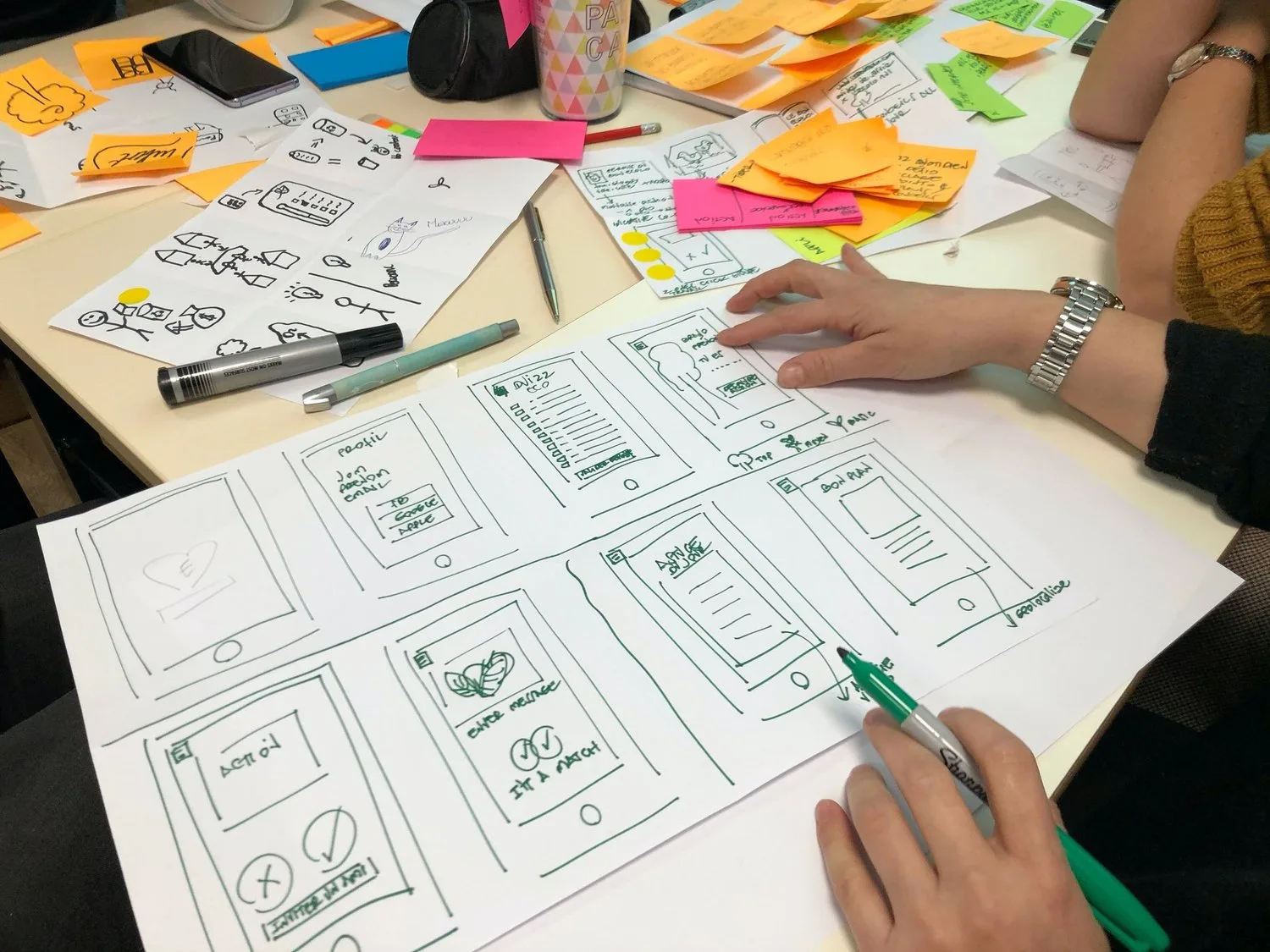
The ability to test ideas quickly through functional prototypes boosts innovation performance. Here is how to get a team ready for it.

The term innovation means different things to different people. The various forms and types of innovation allow multiple views and interpretations – depending on the perspective of the observer.

Novelty is an important notion in an innovation context – it is a desired quality of business ideas, services, products and features. Truly novel ideas that are proven and have practical potential enrich the state of the art and creates opportunities for Intellectual Property and differentiators for products and companies.

Technology is moving at an incredible pace. We live in the fascinating era of autonomous cars, computer vision, personalized medicine, and quantum computing. Artificial Intelligence, crypto-currencies, advanced automation, deep learning and concepts like Universal Basic Income are about to reshape our world.

Although Artificial Intelligence dramatically improves our world in many ways, there are notable concerns regarding the forthcoming impact of AI on employment and the workforce. There are predictions talking about millions of unemployed people in the next decades, primarily due to the impact of Intelligent Automation and AI systems.
Six deficits: capabilities, real-world connection, venture building, organisational design, talent and culture, and the one behind them all, leadership.
The Innovation Mode Newsletter every week, our members' library of frameworks and templates, and new thinking before it goes public. 10,000+ innovation leaders are already in.