
Product, MVPs and prototyping
Product discovery, requirements, user stories, prototypes and MVPs, from the practitioner's side.
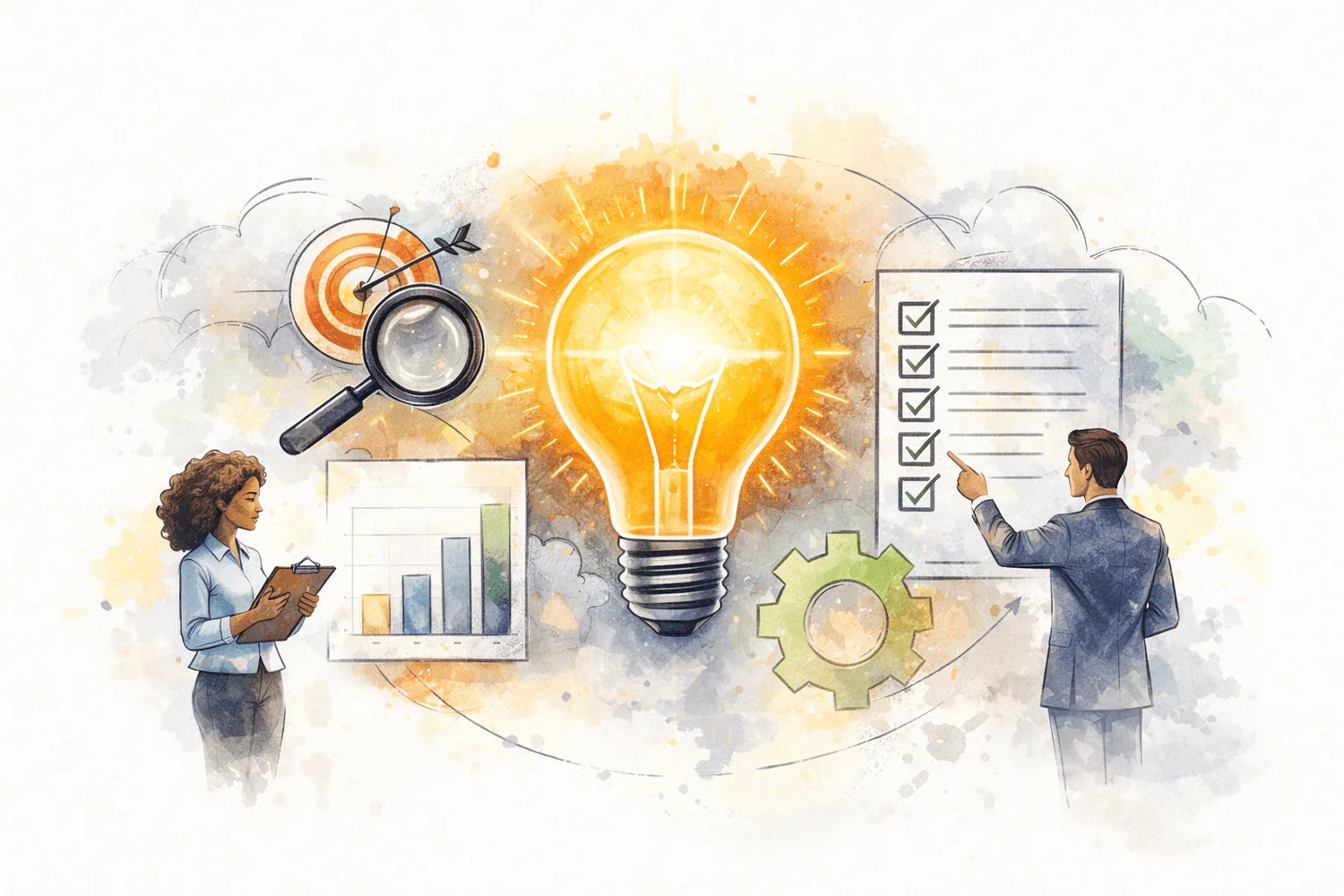
Your Startup Idea Has Three Types of Unknowns. You're Probably Only Testing One.
Most startup post-mortems blame money, timing, or competition. But the real killer is building something nobody wants - and most of it is preventable. This article introduces the three types of unknowns every startup idea carries (risks, uncertainties, and silent assumptions), explains why most validation methods fail, and describes the Innovation Mode approach to systematic idea validation - from the Nine-Dimension Idea Assessment Model to the discipline of knowing when to stop validating and start building.
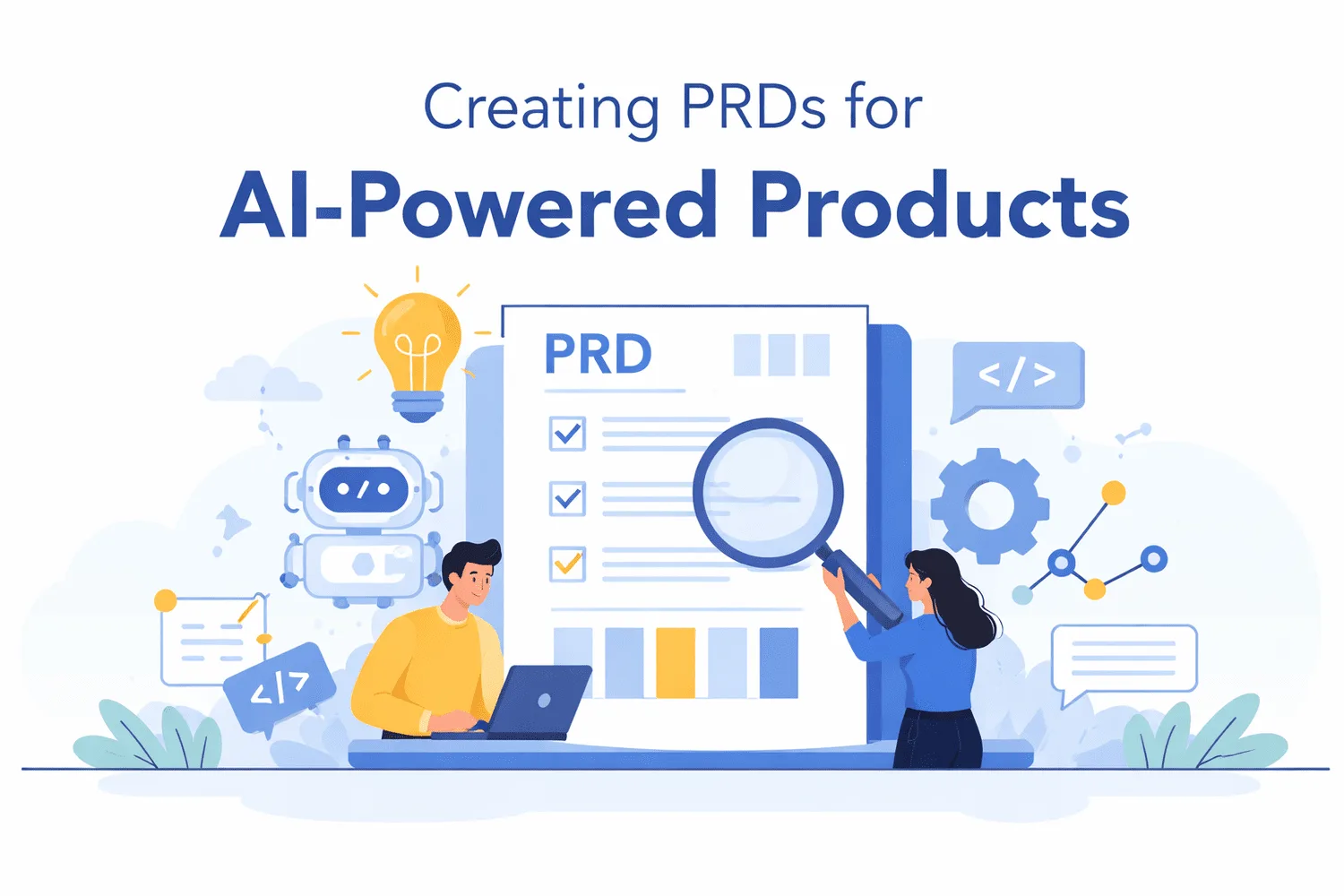
From Deterministic to Probabilistic: Rethinking Product Requirements for the AI Era
AI products break every assumption traditional PRDs are built on. From probabilistic outputs to autonomous agents, here's why your product specification needs surgery - and what more than 25 years of building data and AI systems taught me about fixing it.
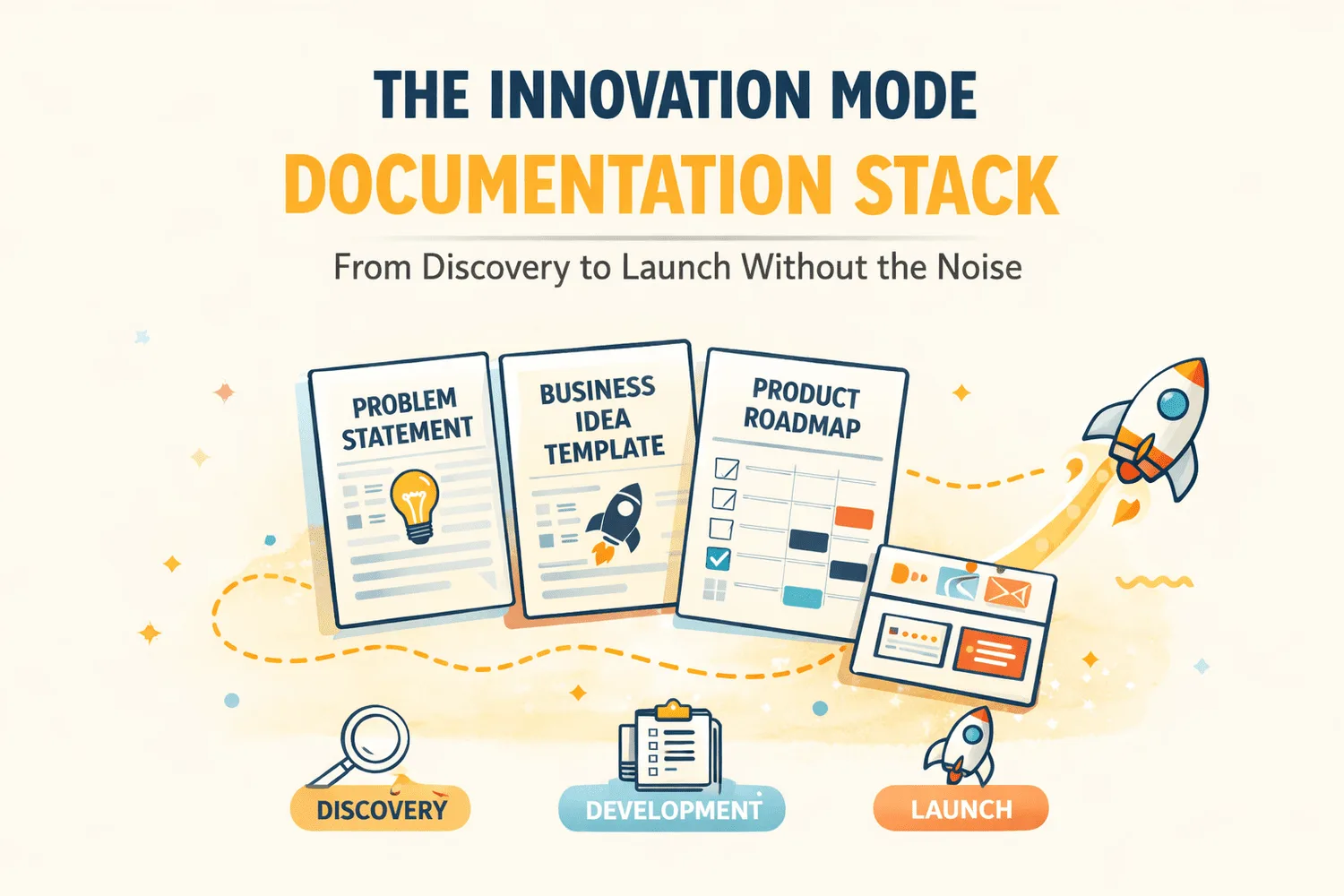
Product Discovery Documentation: The Chief Innovation Officer's Guide to Turning Ideas into Products
Most ideas from a brainstorm die because nobody wrote down what they were. Here is lean, just-enough documentation for Chief Innovation Officers and innovation teams that captures what matters (one-page problem statements, business idea templates, and structured assessments) without bureaucratic overhead: the Innovation Mode documentation stack, from discovery (problem framing, idea validation) through development (PRDs, pitch decks), ensuring your best product innovation ideas survive the journey from concept to launch.
MVP FAQs: Feature Selection, Costs, and Best Practices for Startups
MVPs and Startups - Why should a startup follow the MVP approach? How do you prioritize features? Answering these and other frequent questions people ask me about Minimum Viable Products - MVPs
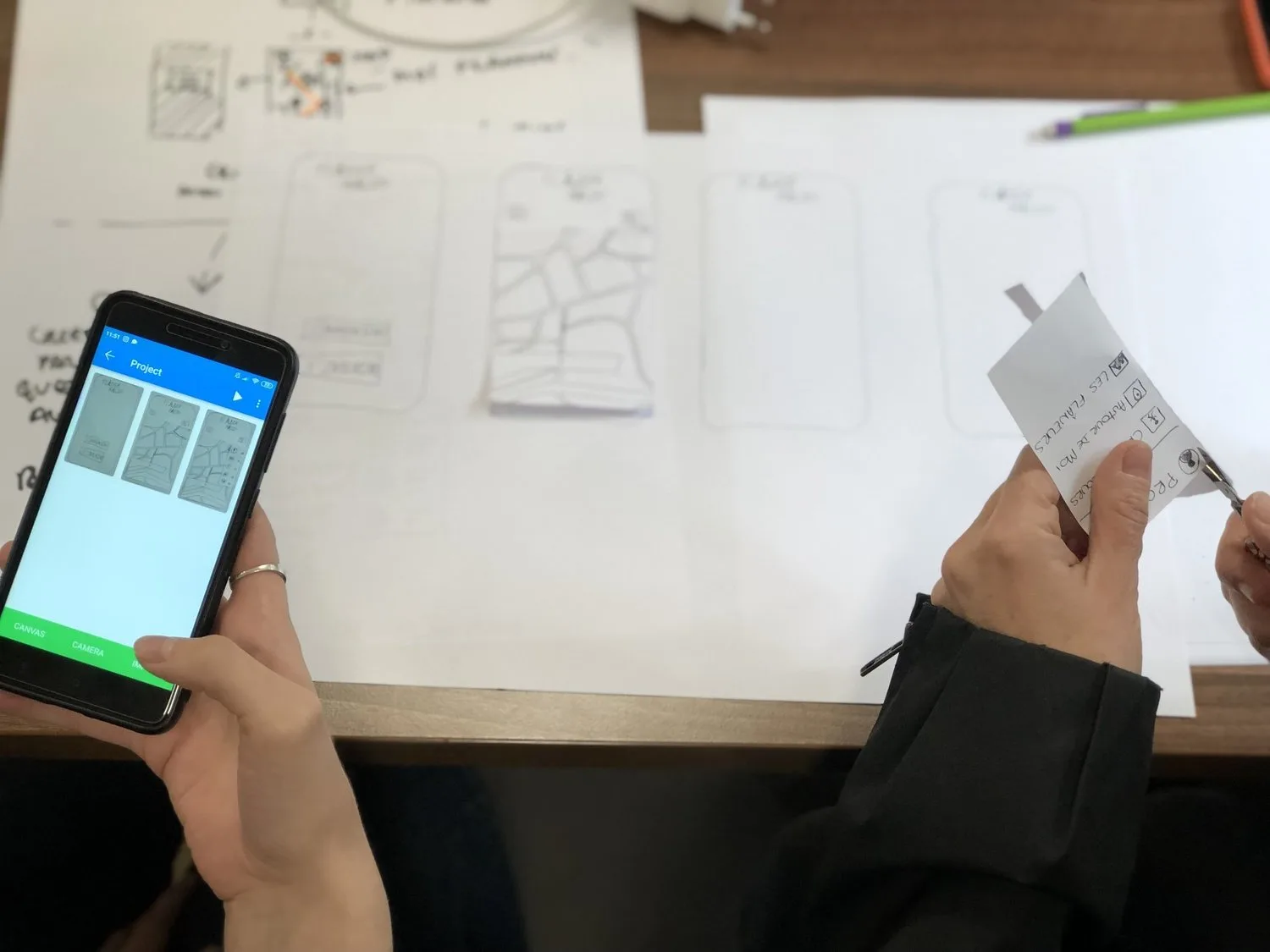
Software Prototyping - When, Why, and How
A software prototype is an intentionally incomplete instance of a product; it is an early approximation of a product concept or a feature. As such, although in some cases they may look realistic, prototypes come with limited functionality and plenty of shortcuts and conventions behind the scenes.
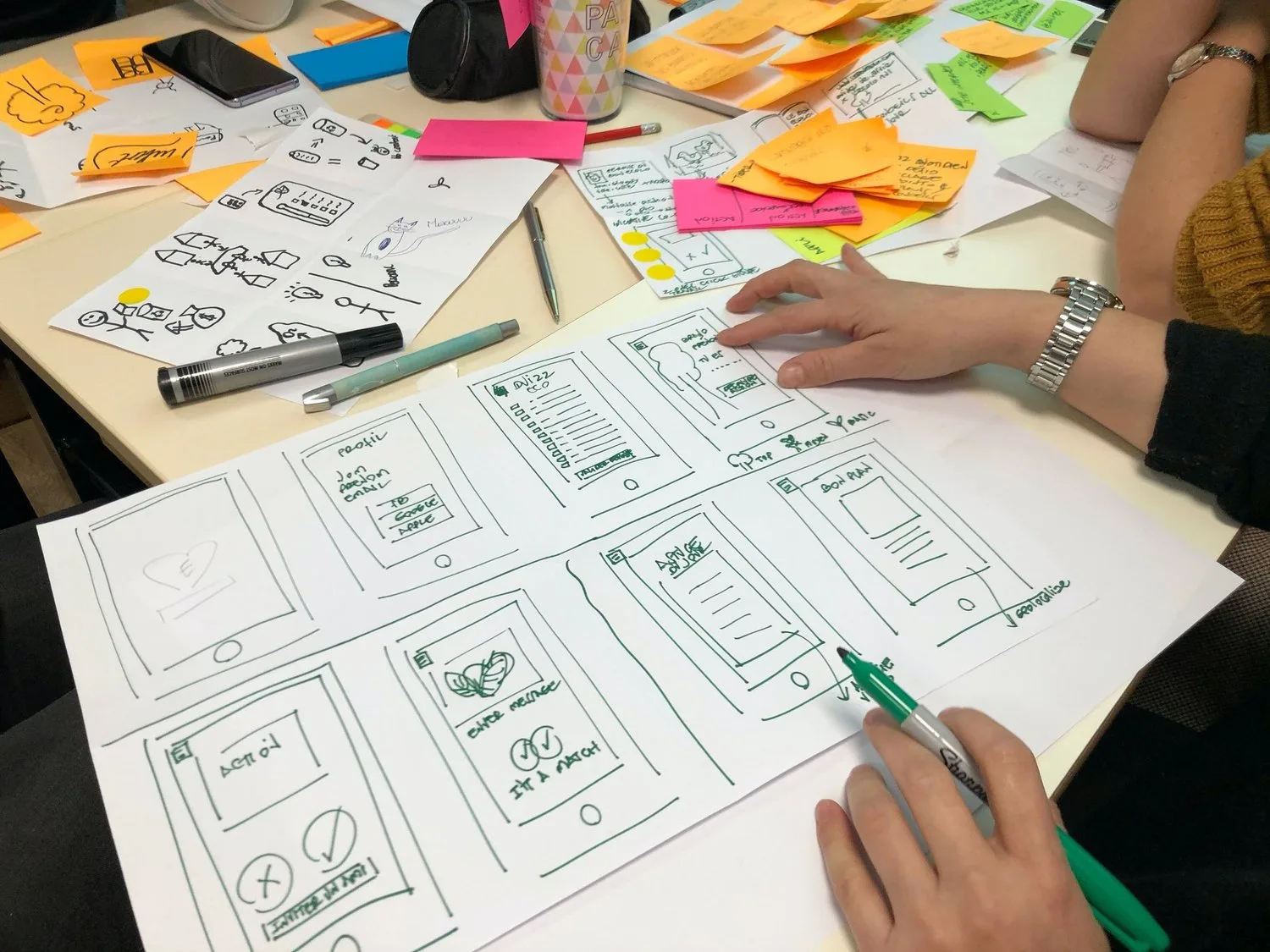
Design Thinking Grows Up: Welcome to Experience Thinking
Design Thinking is an incredibly powerful way to approach the design of just about anything that involves interaction with people. Its underlying philosophy of Human-Centered Design requires that we develop a comprehensive empathic understanding of the customer and their situation in a particular context. But... there are limitations. The limitations lie not so much in Design Thinking itself, but rather in how Design Thinking is typically used.

How to Set Up and Lead a Great Product Development Team
As a product leader, you need an inspired, talented team, to believe in your product vision and work with passion towards the shared goal: a great product satisfying all the predefined success criteria, plus one more: to make the entire team proud of the outcome.

User Stories in Agile: The Whys and Hows
User stories provide a great way to quickly and accurately describe the functionality of a software product or system. They are also very effective in capturing the outputs of brainstorming sessions, design sprints, hackathons, and other innovation-led processes.
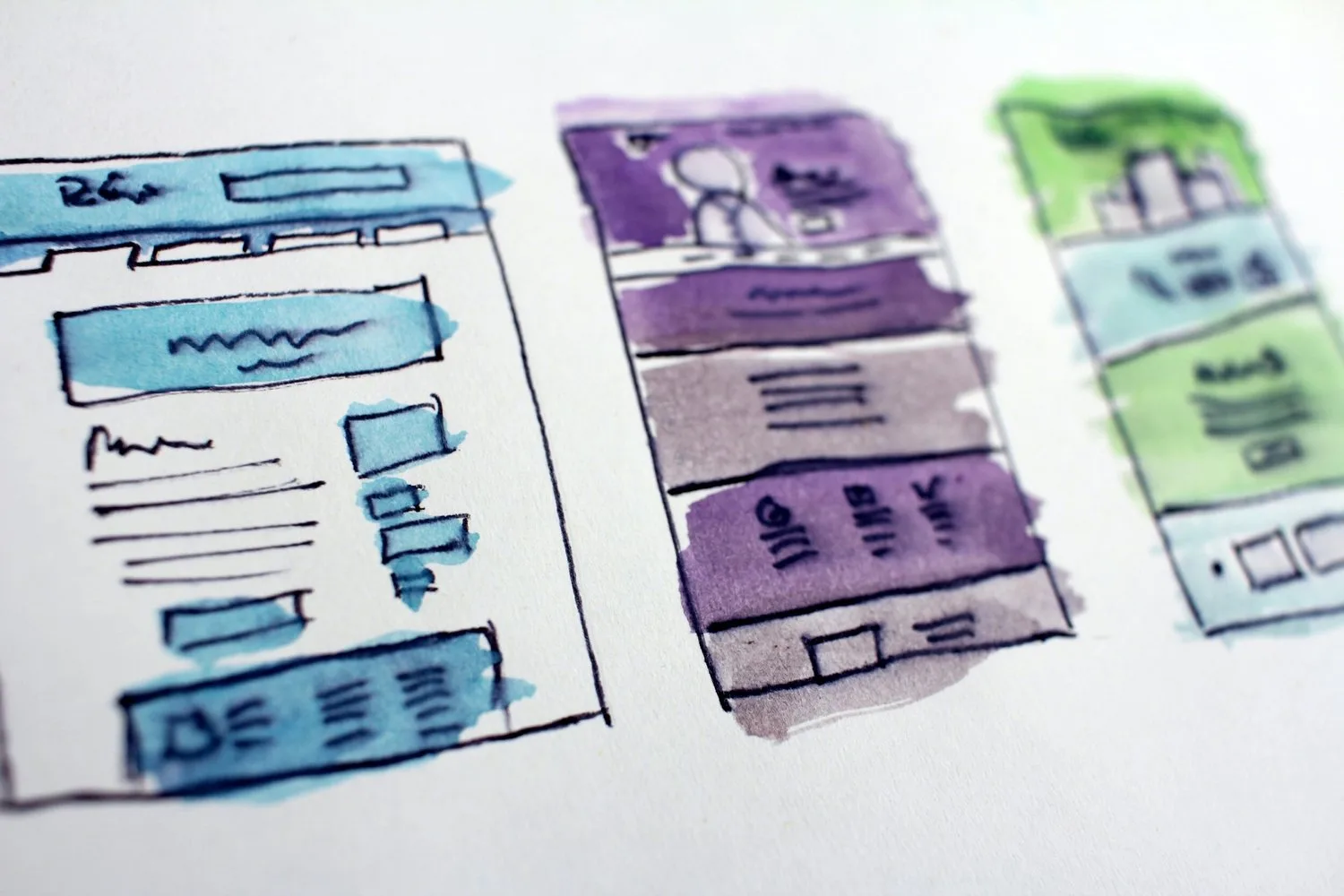
Is this a Prototype or an MVP? Or maybe, a Proof of Concept?
When building software products or solutions, it is of critical importance to define early enough the target output, in terms of both functionality and ‘production readiness’. This is a practical guide to help you define a ‘prototype’, versus a ‘proof of concept’ and a ‘minimum viable product’, and avoid costly misunderstandings.
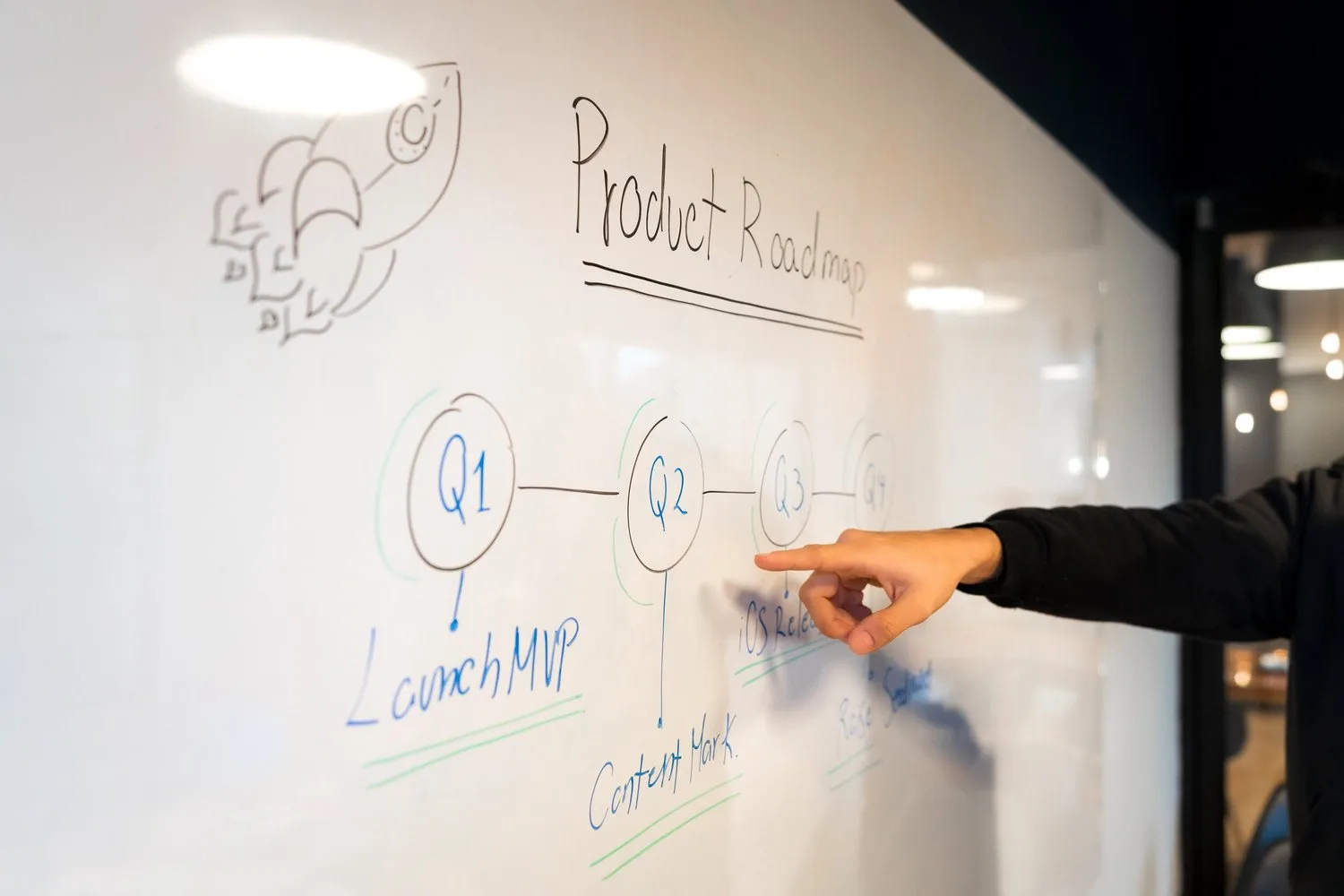
Building an MVP: How to define the first instance of your product
A good MVP starts from the complete product, not from the obvious first features. Here is how to define one, step by step, and the mistakes to avoid.
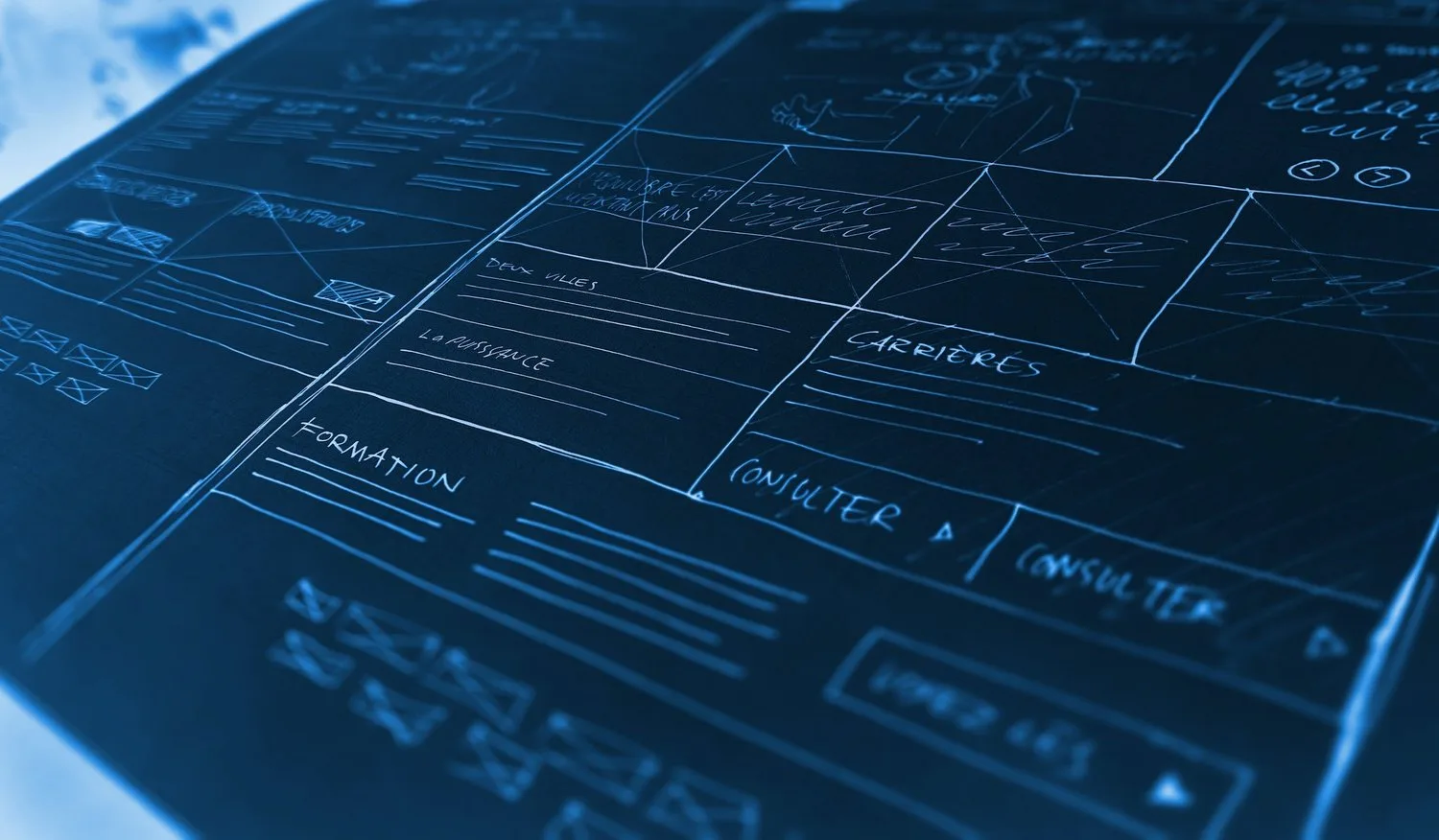
The True Meaning of the Minimum Viable Product
A popular definition for the MVP is this one “… the minimum viable product (MVP) is a product with just enough features to satisfy early customers, and to provide feedback for future development…”
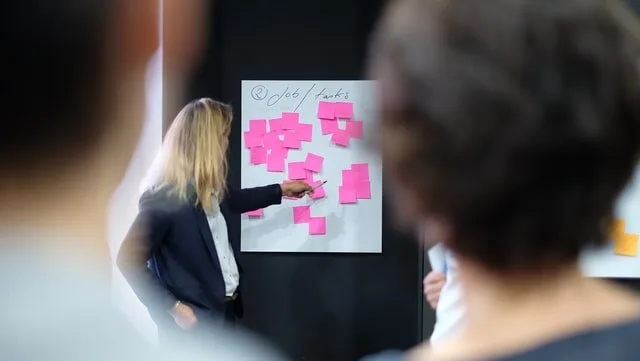
Product Leadership: 9 Traits of Great Product Leaders
Building great products is a difficult and complex job, but also fascinating. It requires a bold vision and, at the same time, a strong connection with reality. This article presents the key qualities of a great Product Leader.

Being Agile: How (and Why) to Write Great User Stories
User stories are simple, yet extremely powerful constructs: they describe pieces of functionality from a user’s point of view, expressed in a solid, compact way. Read on how they can accelerate product development and innovation workshops.
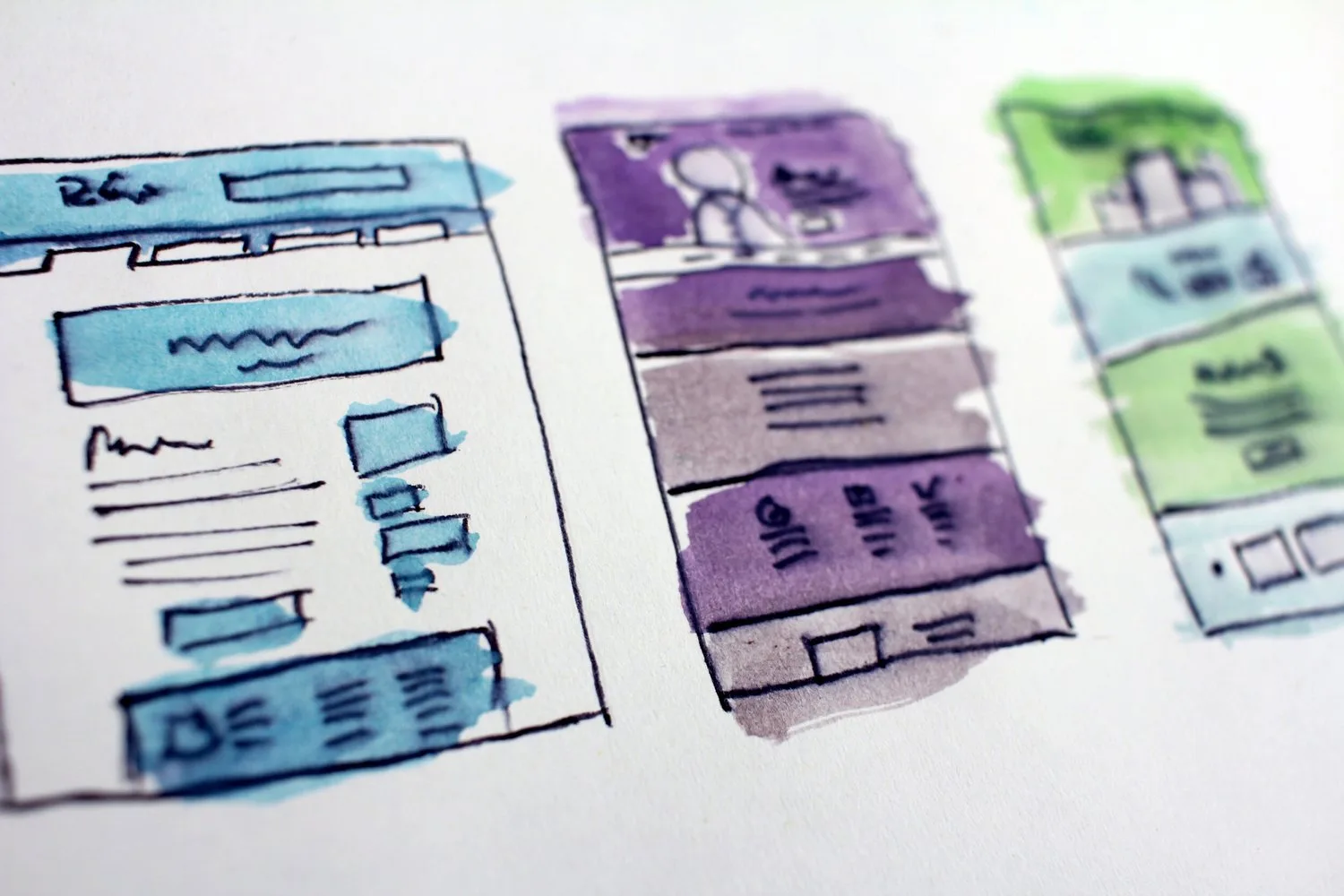
Rapid Prototyping practices for Software Engineering teams
The ability to test ideas quickly through functional prototypes boosts innovation performance. Here is how to get a team ready for it.
A board-ready AI strategy in eight weeks.
Seven modules over eight weeks, from readiness to a 12 to 24 month roadmap ready for board approval. Start with the three-week AI Readiness Assessment, or go straight to the programme.
Guides, templates and programmes on product discovery, MVPs and prototyping.
Get the field notes first.
The monthly Agentic Innovation Briefing, early access to new releases, and articles before they go public. Join 10,000+ innovation leaders.