
The Corporate Innovation Blog
AI Strategy & Leadership Insights for Chief Innovation Officers, Innovation and Product Leaders

How to transform a company into an AI-Powered organization
Transforming into a data-driven, AI-first organization, will always be an ongoing journey since it is part of the overall Digital Transformation Initiative which calls for continuous improvement and adaptation.

Artificial Intelligence beyond hype
Artificial Intelligence is probably one of the most popular and hyped technology terms of our time. But, beyond the media hype, there is a real revolution happening.

The Ingredients of a Great Innovation Culture
A great culture of innovation can be thought of as a special, collective mindset that values and promotes curiosity (exploration of new ideas) and change (adoption of new ideas) as key success factors for the organization - holistically.

What Makes a Company Innovative?
Being an innovative company is not about using the latest technology or cool project management techniques or even driving the design trends. It's not even about the ability to change quickly or bring new offerings to market quickly.
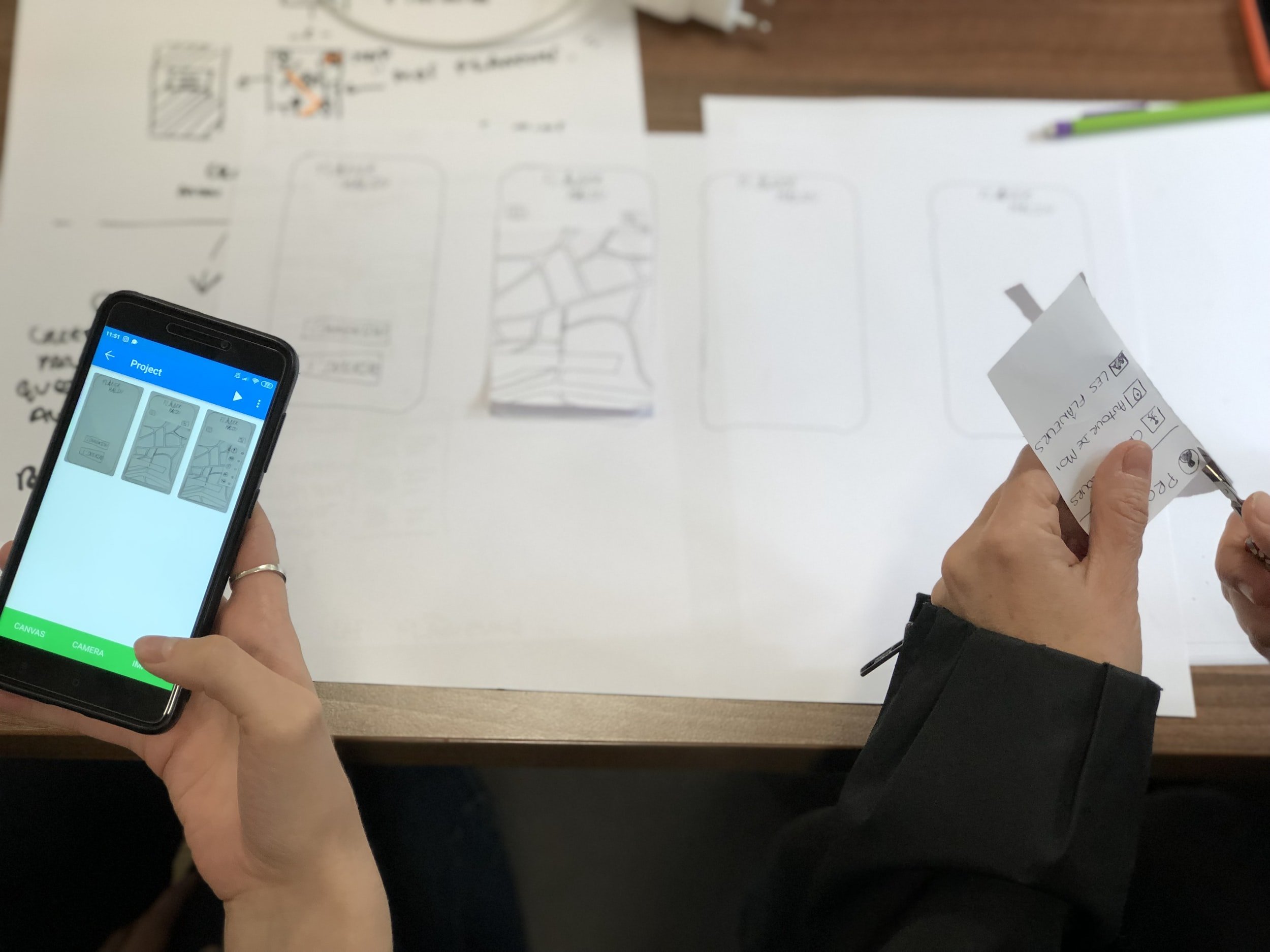
Software Prototyping - When, Why, and How
A software prototype is an intentionally incomplete instance of a product; it is an early approximation of a product concept or a feature. As such, although in some cases they may look realistic, prototypes come with limited functionality and plenty of shortcuts and conventions behind the scenes.
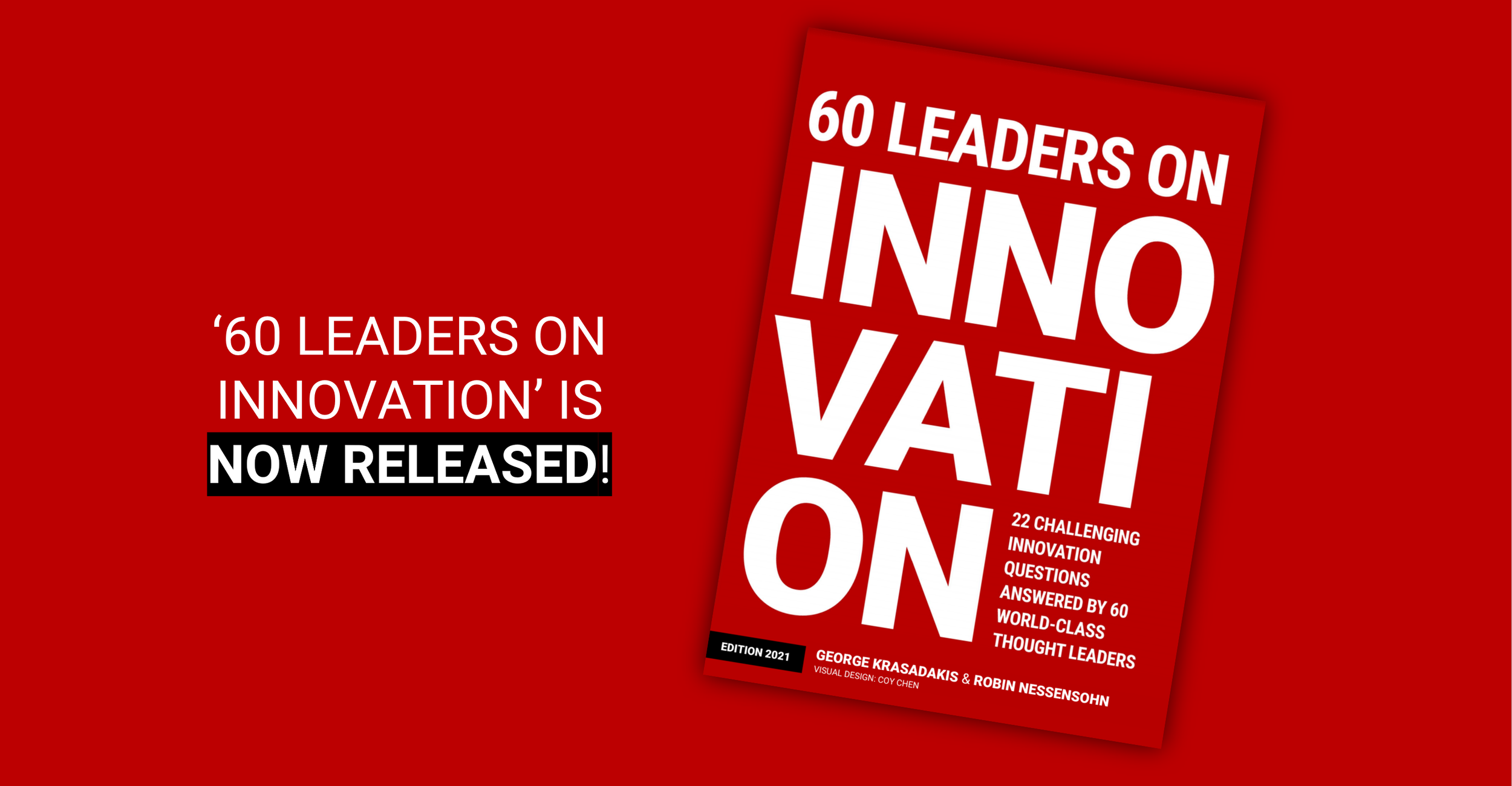
60 Leaders on Innovation - Book References
Producing the ’60 Leaders on Innovation’ eBook was a great experience - an initiative that connected 60 leaders across the globe who exchanged their thought leadership on innovation. It also produced a very interesting list of books on innovation. Here is the list, in alphabetical order.

How AI Revolutionizes Retail
Modern retailers need a near-real-time view of the entire retail business – demand, supply chain, distribution, customer interaction, market dynamics, and emerging trends. They need a holistic view that supports better, faster decision-making and a more effective impact measurement framework. AI can make a huge difference in this direction.
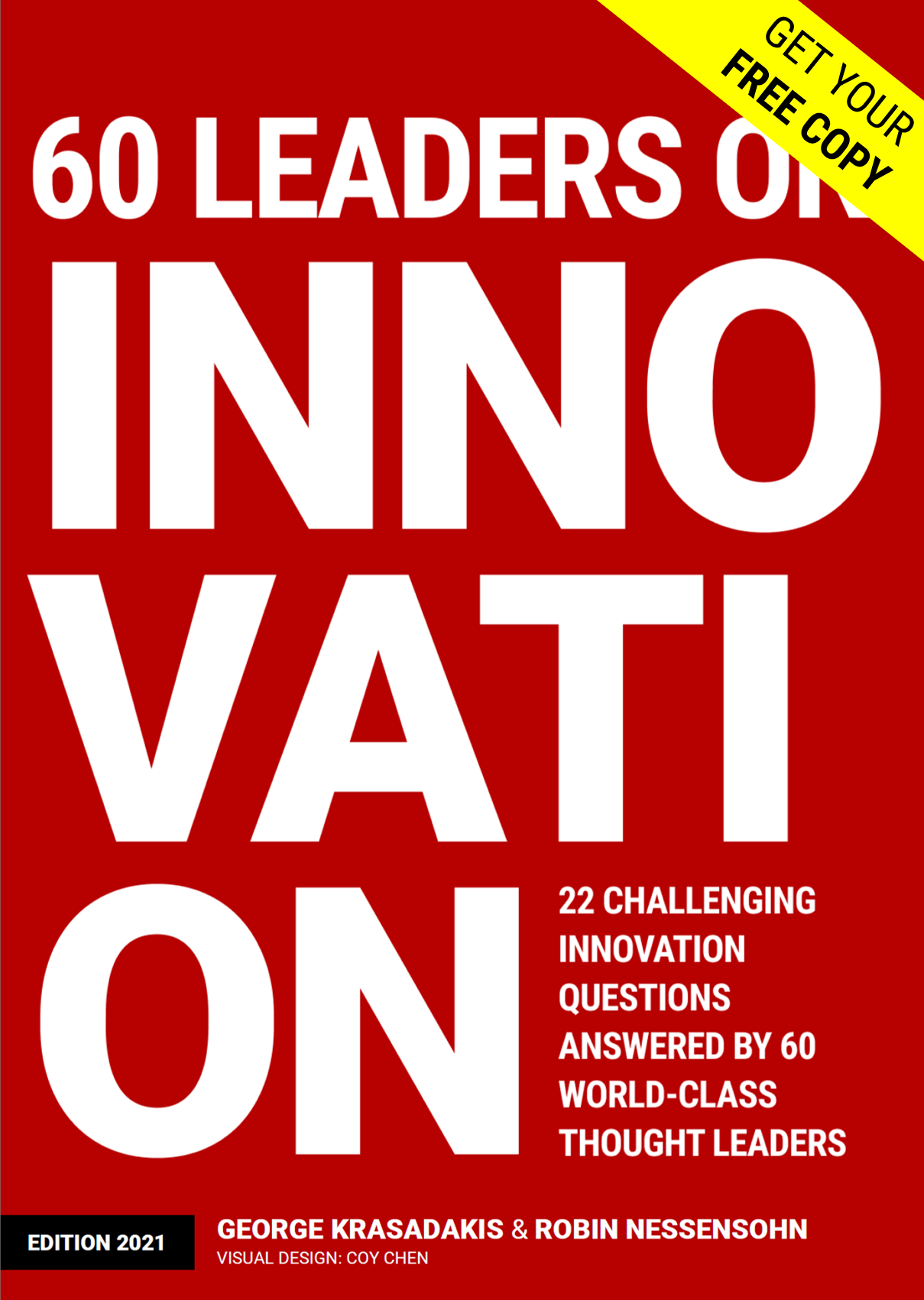
Artificial Intelligence — A Holistic View from 60 Leaders
60 global thought leaders answer 20 questions on AI — a free eBook presenting the latest thinking on various aspects of Artificial Intelligence. The complete list of the 20 questions on various aspects of AI - technical, business, societal.
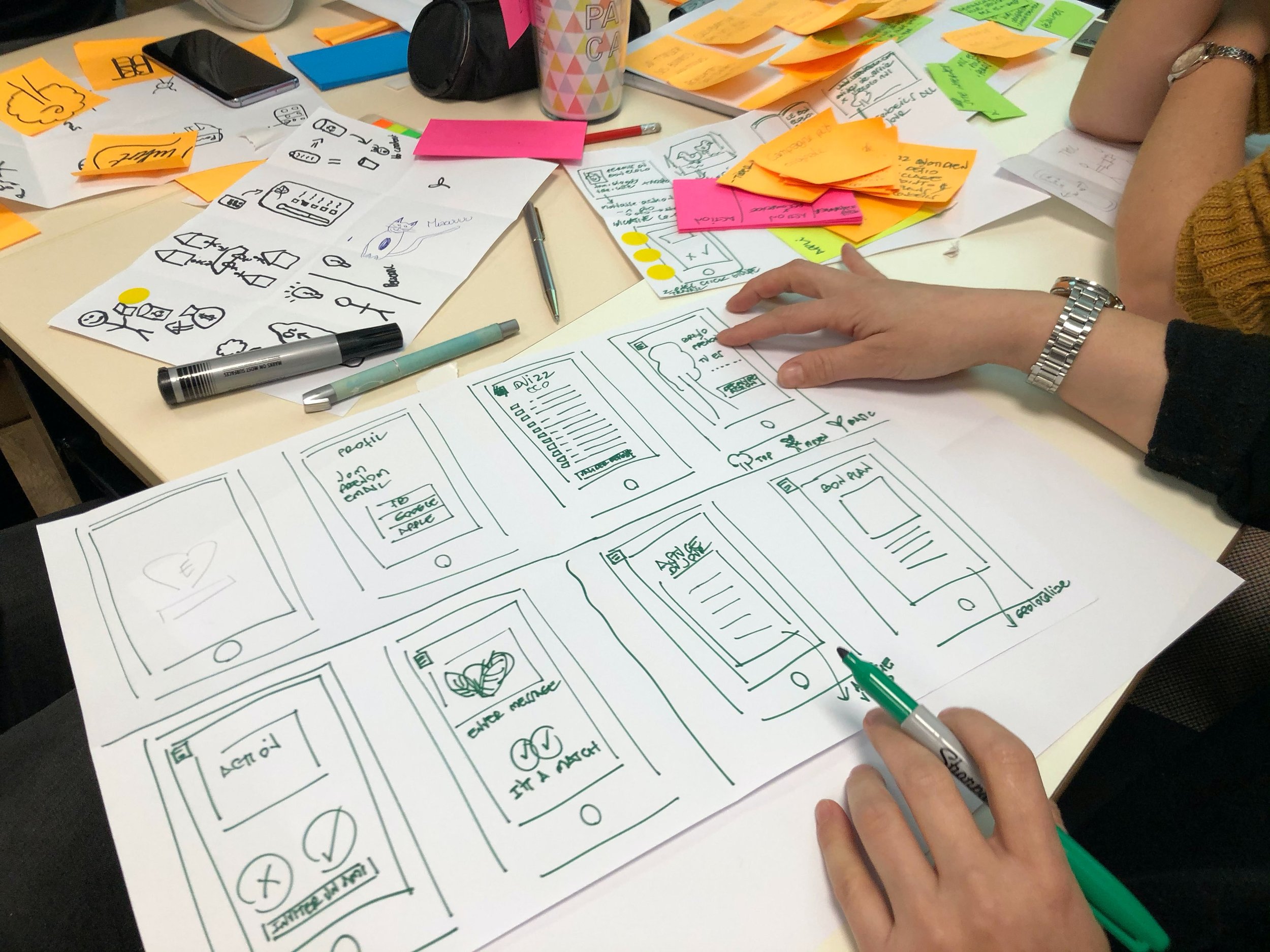
Design Thinking Grows Up — Welcome to Experience Thinking
Design Thinking is an incredibly powerful way to approach the design of just about anything that involves interaction with people. Its underlying philosophy of Human-Centered Design requires that we develop a comprehensive empathic understanding of the customer and their situation in a particular context. But... there are limitations. The limitations lie not so much in Design Thinking itself, but rather in how Design Thinking is typically used.

What’s Next for Artificial Intelligence
Artificial Intelligence is one of the most popular technology terms of our time— and very frequently, overused or even misused. The media loves both the success stories and ‘dystopias’ driven by Artificial Intelligence. Machines replacing human workers, AI exceeding human intelligence, robots taking control, and so on.

Is Artificial Intelligence a Threat?
Artificial Intelligence brings impressive applications, with remarkable benefits for all of us; but there are notable unanswered questions with social, political, or ethical facets. The main concerns focus on technological unemployment, while equally important issues arise regarding potential applications of AI, the access to data, and the outputs of AI models.

The Future of Business Intelligence is … Voice
Business Intelligence systems of the future will provide answers, not just data. The complexity of analyzing data will be hidden under next-generation NUI experiences. Insights and data stories will be incorporated in the right format, for the specific user and timing.

Data-Driven Companies and the Importance of a Data Culture
The term ‘Data-driven’ implies much more than just technology and data: it means a special mindset and leadership attitude that makes it possible for a company to make informed decisions by systematically using data to improve business performance.

How to Set Up and Lead a Great Product Development Team
As a product leader, you need an inspired, talented team, to believe in your product vision and work with passion towards the shared goal — a great product satisfying all the predefined success criteria + one more: to make the entire team proud of the outcome.

User Stories in Agile: The Whys and Hows
User stories provide a great way to quickly and accurately describe the functionality of a software product or system. They are also very effective in capturing the outputs of brainstorming sessions, design sprints, hackathons, and other innovation-led processes.

What are the essential digital tools for innovation?
As part of the ‘60 Leaders on Innovation’ book, we asked several leaders to name the essential digital tools for innovation. Here is Erik Schumb’s response.
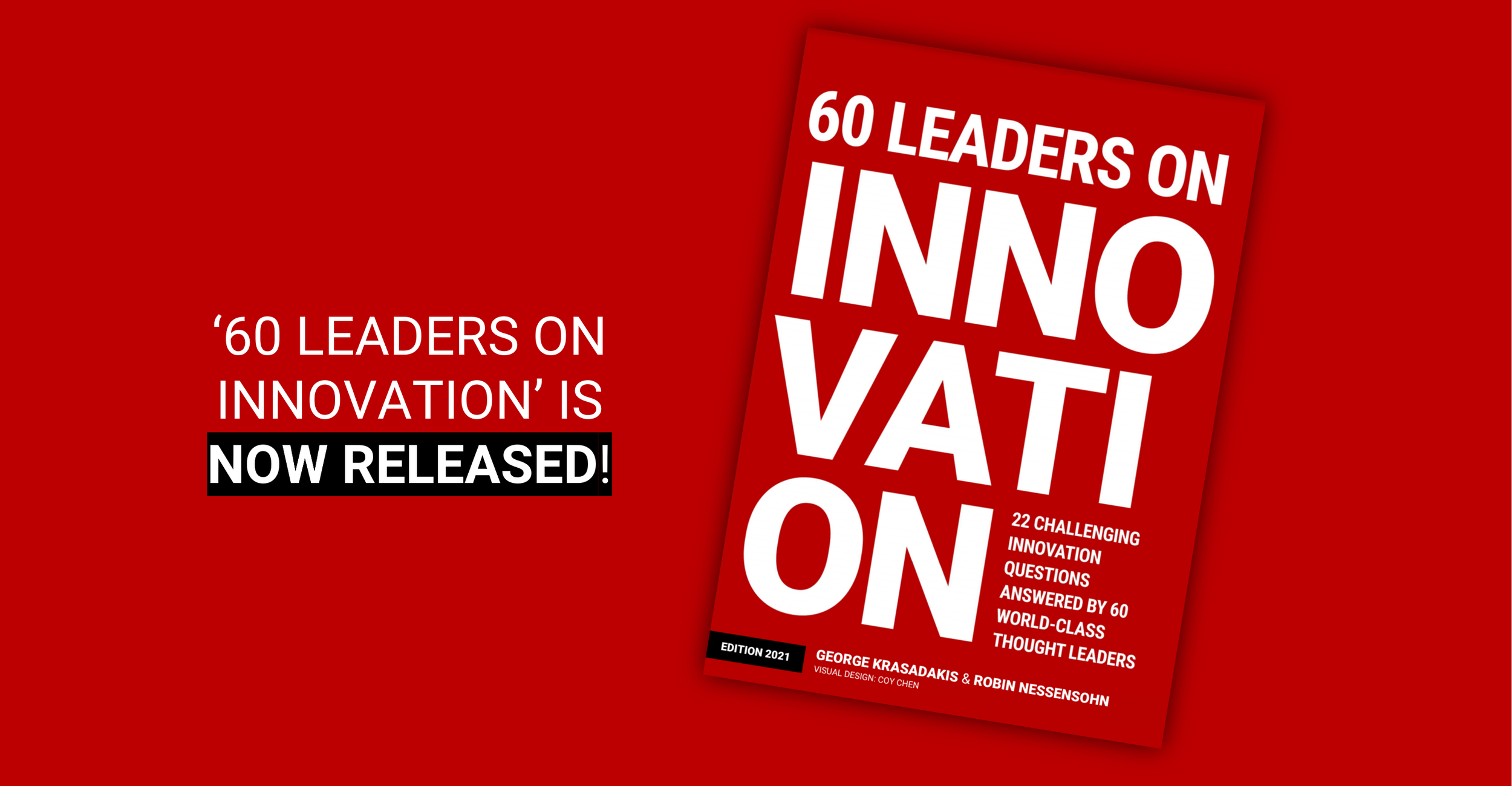
We asked 60 world-class leaders 22 tough questions on Innovation.
An amazing collection of thoughts on the topic of corporate innovation, from 60 Leaders — Chief Innovation Officers, CxOs, academics, technologists, innovation experts, entrepreneurs, thought leaders, and start-up founders — across industries and geographies.

Digital Transformation, Explained.
Digital Transformation – What is it all about? Erik Schumb, founder & CXO, Agile Sprints and one of the '60 Leaders on Innovation' shares his insights.

The Innovation Culture Defined: What it is and How to Develop it
What are the ingredients of a succesful innovation culture? How it is defined and what are the steps that an organization needs to take to ‘get there’ – to establish a good culture and trigger its organic growth?

Leading innovation: Principles of a great ideation platform
Corporate innovation needs a strong supply of high-quality ideas that feed into a fast and effective ‘innovation opportunity discovery’ process. Establishing such an ideation channel is not easy: it requires processes that are simple, inclusive, flexible, and objective; it needs effective communication to inspire people but, at the same time, it must manage the risk of ‘internal disruption.’